Can sewage treatment equipment be used in areas with poor infrastructure? Sewage Treatment Equipment
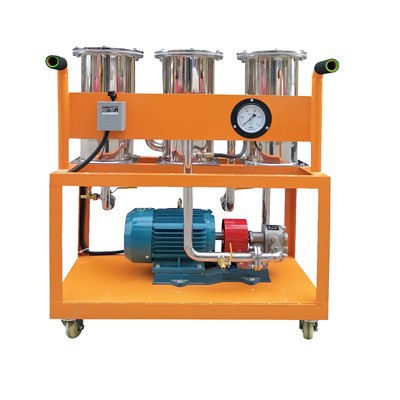
As a supplier of sewage treatment equipment, I often get asked this question. The short answer is yes, sewage treatment equipment can indeed be used in areas with poor infrastructure, but there are several factors to consider.
Understanding the Challenges in Areas with Poor Infrastructure
Areas with poor infrastructure typically face a range of issues that can impact the implementation and operation of sewage treatment equipment. These challenges include limited access to reliable electricity, lack of proper transportation for equipment and maintenance parts, and a shortage of trained personnel to operate and maintain the systems.
Electricity Supply
One of the most significant challenges is the unreliable or non – existent electricity supply. Many sewage treatment processes rely on power to operate pumps, aerators, and other essential components. In areas where power outages are frequent or there is no grid connection at all, alternative power sources need to be considered. For example, solar – powered sewage treatment systems can be a viable option. These systems use photovoltaic panels to convert sunlight into electricity, which can power the treatment equipment. Solar power is renewable, reduces operating costs in the long run, and is well – suited for remote areas.
Transportation and Logistics
Transporting sewage treatment equipment to areas with poor infrastructure can be difficult. Roads may be in bad condition, and there may be limited access to large – scale transportation vehicles. This means that the equipment needs to be designed in a way that is easy to transport. Modular sewage treatment units are an excellent solution. These units can be pre – fabricated in a factory and then transported to the site in smaller, more manageable pieces. Once on – site, they can be quickly assembled, reducing the time and effort required for installation.
Skilled Labor
Another challenge is the lack of trained personnel to operate and maintain the sewage treatment equipment. In areas with poor infrastructure, there may not be a local workforce with the necessary technical skills. To address this, our company provides comprehensive training programs. We offer on – site training for operators, teaching them how to operate the equipment, perform routine maintenance, and troubleshoot common problems. Additionally, we provide detailed user manuals and remote support to ensure that the equipment is used correctly and efficiently.
Advantages of Using Sewage Treatment Equipment in Areas with Poor Infrastructure
Despite the challenges, there are many advantages to using sewage treatment equipment in areas with poor infrastructure.
Environmental Protection
In areas with poor infrastructure, untreated sewage is often discharged directly into water bodies, leading to water pollution and the spread of water – borne diseases. By installing sewage treatment equipment, we can significantly reduce the amount of pollutants entering the environment. This helps to protect local water sources, improve water quality, and safeguard the health of the local population.
Economic Development
Proper sewage treatment can also contribute to economic development. Clean water is essential for various industries, such as agriculture, tourism, and manufacturing. By improving water quality, sewage treatment equipment can attract new businesses and investments to the area. Additionally, the installation and operation of sewage treatment systems can create local jobs, providing employment opportunities for the local community.
Community Health
The most important advantage is the improvement of community health. Untreated sewage contains harmful pathogens, such as bacteria, viruses, and parasites, which can cause diseases like cholera, typhoid, and diarrhea. By treating sewage, we can reduce the risk of these diseases, leading to a healthier population. This, in turn, can improve productivity and reduce the burden on the local healthcare system.
Types of Sewage Treatment Equipment Suitable for Areas with Poor Infrastructure
Septic Tanks
Septic tanks are a simple and cost – effective solution for sewage treatment in areas with poor infrastructure. They are underground chambers that collect and treat sewage through a natural process of sedimentation and anaerobic digestion. Septic tanks require minimal energy and can be installed relatively easily. They are suitable for small communities or individual households.
Constructed Wetlands
Constructed wetlands are another option. These are engineered systems that mimic the natural processes of wetlands to treat sewage. They use plants, soil, and microorganisms to remove pollutants from the water. Constructed wetlands are low – cost, require little energy, and can be designed to blend in with the local environment. They are particularly suitable for areas with ample land and a low population density.
Package Sewage Treatment Plants
Package sewage treatment plants are pre – fabricated units that can be quickly installed and put into operation. They are designed to treat sewage from small to medium – sized communities. These plants typically use a combination of physical, chemical, and biological processes to treat sewage. They can be customized to meet the specific needs of the area, and they are relatively easy to operate and maintain.
Our Company’s Approach
As a sewage treatment equipment supplier, we are committed to providing solutions that are suitable for areas with poor infrastructure. We understand the unique challenges faced by these areas and have developed a range of products and services to address them.
Customized Solutions
We work closely with our clients to understand their specific needs and requirements. Based on this, we design and manufacture customized sewage treatment solutions. Whether it’s a small – scale septic tank for a single household or a large – scale package treatment plant for a community, we can provide the right equipment.
Quality and Reliability
We ensure that all our products are of the highest quality. Our equipment is built to withstand harsh environmental conditions and is designed for long – term use. We use high – quality materials and advanced manufacturing processes to ensure reliability and durability.
After – Sales Support
We provide comprehensive after – sales support, including installation, training, and maintenance services. Our team of experts is available to assist our clients at every stage, from the initial installation to ongoing operation and maintenance.
Conclusion
In conclusion, sewage treatment equipment can be used in areas with poor infrastructure. While there are challenges, such as unreliable electricity supply, transportation issues, and a lack of skilled labor, there are also solutions available. By using alternative power sources, modular equipment, and providing training and support, we can overcome these challenges. The benefits of using sewage treatment equipment in these areas, including environmental protection, economic development, and improved community health, far outweigh the challenges.

If you are interested in learning more about our sewage treatment equipment and how it can be used in areas with poor infrastructure, we encourage you to contact us for a procurement discussion. Our team of experts is ready to assist you in finding the right solution for your specific needs.
Filter Press References
- Metcalf & Eddy. (2003). Wastewater Engineering: Treatment and Reuse. McGraw – Hill.
- Tchobanoglous, G., Burton, F. L., & Stensel, H. D. (2003). Wastewater Engineering: Treatment, Disposal, and Reuse. Pearson Education.
Chongqing TOP Oil Purifier Co., Ltd.
Chongqing TOP Oil Purifier Co., Ltd. is one of the most experienced sewage treatment equipment manufacturers and suppliers in China. Please rest assured to buy CE approved sewage treatment equipment made in China here from our factory. We also accept customized orders.
Address: No.1, Jianlong North Rd, Jiulongpo District, Chongqing, China
E-mail: sales@topoilpurifier.com
WebSite: https://www.xboilpurifier.com/
