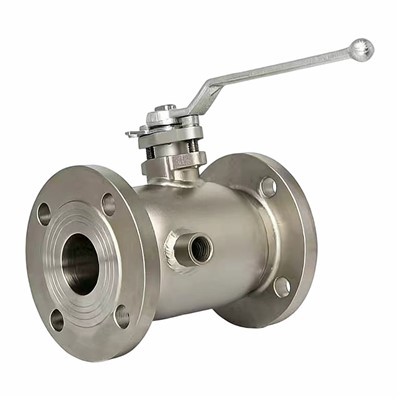
As a ball valve supplier, I often get asked about the maximum temperature a ball valve can handle. This is a crucial question, as the temperature resistance of a ball valve can significantly impact its performance and lifespan in various applications. In this blog, I’ll delve into the factors that determine a ball valve’s maximum temperature capacity, the materials used in ball valves and their temperature limits, and how to choose the right ball valve for high – temperature applications. Ball Valve
Factors Affecting a Ball Valve’s Maximum Temperature
The maximum temperature a ball valve can handle is influenced by several key factors. Firstly, the materials used in the construction of the ball valve play a vital role. Different materials have different melting points, thermal expansion coefficients, and chemical stabilities at high temperatures. For example, the body of the ball valve, the ball itself, and the seals all need to be able to withstand the operating temperature without deforming or losing their functionality.
Secondly, the design of the ball valve also matters. A well – designed ball valve will have features that help it dissipate heat more effectively, reducing the risk of overheating. For instance, some ball valves are designed with fins or other heat – dissipating structures on the valve body.
The operating environment is another important factor. If the ball valve is used in a corrosive environment along with high temperatures, the chemical reactions between the valve materials and the surrounding substances can further limit the valve’s temperature tolerance.
Materials and Their Temperature Limits
Let’s take a closer look at the common materials used in ball valves and their temperature limits.
Metal Materials
- Brass: Brass is a popular material for ball valves due to its good machinability and corrosion resistance. However, its maximum temperature limit is relatively low, typically around 200 – 260°C (392 – 500°F). At higher temperatures, brass can start to lose its strength and may deform, which can lead to leakage in the valve.
- Stainless Steel: Stainless steel is widely used in ball valves because of its excellent corrosion resistance and high – temperature performance. Depending on the specific grade of stainless steel, it can handle temperatures up to 538 – 816°C (1000 – 1500°F). For example, 316 stainless steel is commonly used in high – temperature applications and can maintain its mechanical properties at relatively high temperatures.
- Carbon Steel: Carbon steel ball valves are known for their strength and durability. They can generally withstand temperatures up to 427 – 538°C (800 – 1000°F). However, carbon steel is more prone to corrosion compared to stainless steel, so in corrosive high – temperature environments, additional protective coatings may be required.
Sealing Materials
- PTFE (Polytetrafluoroethylene): PTFE is a commonly used sealing material in ball valves because of its low friction coefficient and excellent chemical resistance. However, its maximum continuous service temperature is around 260°C (500°F). At temperatures above this, PTFE can start to degrade, which may cause leakage in the valve.
- Graphite: Graphite is a high – temperature sealing material. It can withstand temperatures up to 450 – 550°C (842 – 1022°F) and is often used in applications where high – temperature and high – pressure sealing is required.
Choosing the Right Ball Valve for High – Temperature Applications
When selecting a ball valve for high – temperature applications, the following steps should be followed.
Determine the Operating Temperature
The first step is to accurately determine the maximum temperature that the ball valve will be exposed to in the application. This may involve considering factors such as the process temperature, the heat generated by adjacent equipment, and any potential temperature fluctuations.
Select the Appropriate Materials
Based on the determined operating temperature, choose the materials for the valve body, ball, and seals that can withstand the temperature. For example, if the operating temperature is above 500°C, a stainless – steel valve body and graphite seals may be a good choice.
Consider the Valve Design
Look for ball valves with features that enhance heat dissipation, such as a larger surface area or heat – dissipating fins. Also, consider the valve’s construction, such as the type of connection (flanged, threaded, etc.), as this can affect the valve’s performance at high temperatures.
Check for Certification
Ensure that the ball valve meets relevant industry standards and certifications for high – temperature applications. This can provide assurance of the valve’s quality and performance.
Real – World Examples
In the oil and gas industry, ball valves are often used in high – temperature environments. For example, in a refinery, ball valves are used to control the flow of hot fluids in pipelines. These valves need to be able to withstand temperatures up to 300 – 400°C (572 – 752°F) or even higher in some cases. Stainless – steel ball valves with graphite seals are commonly used in these applications to ensure reliable operation.
In power generation plants, ball valves are used in steam systems. Steam can reach very high temperatures, often above 500°C (932°F). High – quality stainless – steel ball valves with appropriate sealing materials are essential to handle these extreme temperatures and ensure the safety and efficiency of the power generation process.
Conclusion
In conclusion, the maximum temperature a ball valve can handle depends on a variety of factors, including the materials used in its construction, the valve design, and the operating environment. As a ball valve supplier, I understand the importance of providing high – quality ball valves that can meet the specific temperature requirements of different applications.
Type Strainer If you are in need of ball valves for high – temperature applications, I encourage you to reach out to us. Our team of experts can help you select the right ball valve based on your specific needs and requirements. We have a wide range of ball valves made from different materials and with various designs to ensure that you get the best – performing valve for your application.
References
- ASME B16.34 – Valve Flanged, Threaded, and Welding End
- API 6D – Specification for Pipeline Valves
- ISO 10434 – Petroleum, petrochemical and natural gas industries – Ball valves
Xiongxiang Valve Group Co., Ltd.
As one of the most professional ball valve manufacturers and suppliers in China, we’re featured by quality products and good price. Please rest assured to wholesale cheap ball valve for sale here from our factory. Contact us for more details.
Address: Building 1, No.306, 12th Binhai Road, Jinkai District, Wenzhou City, Zhejiang Province, China
E-mail: info@xiongxiangvalve.com.cn
WebSite: https://www.steelvalvegroup.com/
