Hey there! I’m a supplier of tantalum products, and today I wanna chat about how tantalum alloys stack up against pure tantalum products. It’s a topic that comes up a lot in our line of work, and I think it’s super important to understand the differences. Tantalum Products
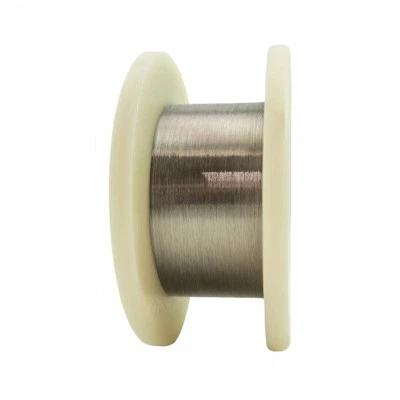
Let’s start with pure tantalum. Pure tantalum is an amazing metal. It’s highly corrosion – resistant, which means it can stand up to all sorts of harsh chemicals without getting eaten away. This makes it a top choice for applications in the chemical processing industry. For example, in reactors where strong acids are used, pure tantalum can be used to line the interior. It won’t react with the acid, so the reactor can operate safely and efficiently for a long time.
Another great thing about pure tantalum is its high melting point. It melts at around 3017°C. This high melting point makes it suitable for use in high – temperature environments, like in aerospace applications. In jet engines, for instance, parts made of pure tantalum can withstand the extreme heat generated during operation.
But pure tantalum also has its limitations. One of the main drawbacks is its relatively low strength. It’s not as strong as some of the tantalum alloys. This means that in applications where high strength is required, pure tantalum might not be the best option.
Now, let’s talk about tantalum alloys. Tantalum alloys are created by adding other elements to pure tantalum. These elements can include tungsten, molybdenum, and niobium, among others. The addition of these elements can significantly improve the properties of tantalum.
One of the key advantages of tantalum alloys is their increased strength. By adding elements like tungsten, the alloy becomes much stronger than pure tantalum. This makes tantalum alloys ideal for applications where high strength is crucial, such as in the construction of high – pressure vessels. These vessels need to be able to withstand a lot of pressure, and tantalum alloys can provide the necessary strength.
Tantalum alloys also often have better mechanical properties at high temperatures. They can maintain their strength and shape better than pure tantalum when exposed to extreme heat. This makes them a great choice for use in high – temperature manufacturing processes, like in the production of superalloys for turbine blades.
In terms of corrosion resistance, while pure tantalum is already very good, some tantalum alloys can offer even better performance in certain environments. For example, some alloys are more resistant to specific types of corrosion, like pitting corrosion. This can be a big advantage in applications where pitting corrosion is a concern, such as in marine environments.
However, tantalum alloys also have some downsides. They are generally more expensive to produce than pure tantalum. The process of adding other elements and creating a homogeneous alloy is more complex and requires more energy and resources. This increased cost can be a limiting factor for some applications, especially those with tight budgets.
Another potential issue is that the addition of other elements can sometimes affect the biocompatibility of tantalum. Pure tantalum is known for its excellent biocompatibility, which makes it a popular choice for medical implants. Some tantalum alloys might not have the same level of biocompatibility, so they need to be carefully evaluated before being used in medical applications.
Let’s look at some specific examples of where pure tantalum and tantalum alloys are used. In the electronics industry, pure tantalum is widely used in capacitors. Its high capacitance and low leakage current make it an ideal material for these components. Capacitors made of pure tantalum are small, reliable, and can store a large amount of electrical charge.
On the other hand, tantalum alloys are often used in the aerospace and defense industries. For example, in the manufacturing of rocket nozzles, tantalum alloys are preferred because of their high strength and ability to withstand extreme temperatures. The nozzles need to be able to handle the high – velocity exhaust gases and the intense heat generated during rocket launches.
In the medical field, pure tantalum is used for implants such as bone plates and screws. Its biocompatibility allows the body to accept the implant without causing an immune reaction. However, in some cases, tantalum alloys might be used if additional strength is required, but as I mentioned earlier, their biocompatibility needs to be carefully considered.
When it comes to choosing between pure tantalum and tantalum alloys, it really depends on the specific requirements of the application. If corrosion resistance and biocompatibility are the main concerns, and strength is not a critical factor, then pure tantalum might be the way to go. But if high strength, better mechanical properties at high temperatures, or improved corrosion resistance in specific environments are needed, then a tantalum alloy could be a better choice.
As a tantalum products supplier, I’ve seen firsthand how important it is for our customers to make the right choice. We work closely with them to understand their needs and provide the best – suited products. Whether it’s a small – scale project or a large – scale industrial application, we have the expertise to help.

If you’re in the market for tantalum products, whether it’s pure tantalum or tantalum alloys, I’d love to have a chat with you. We can discuss your specific requirements, and I can give you more detailed information about our products. Making the right choice for your application can save you time, money, and headaches in the long run. So, don’t hesitate to reach out and start a conversation about your tantalum product needs.
Molybdenum Products References:
- "Tantalum and Tantalum Alloys: Properties and Applications" – A technical report on the properties and uses of tantalum and its alloys.
- "Corrosion Resistance of Tantalum and Tantalum Alloys" – A study on the corrosion – resistant properties of tantalum and its alloys in different environments.
- "Medical Applications of Tantalum" – Research on the use of tantalum in the medical field, including its biocompatibility.
Address: Wangjing Science and Technology Park, Guangshun North Street, Chaoyang District, Beijing
E-mail: sales@moly-tungsten.com
WebSite: https://www.moly-tungsten.com/
