Hey there! I’m a supplier of dewatering centrifuges, and one of the most common questions I get from customers is, "What is the lifespan of a dewatering centrifuge?" Well, let’s dig into this topic and find out. Dewatering Centrifuge
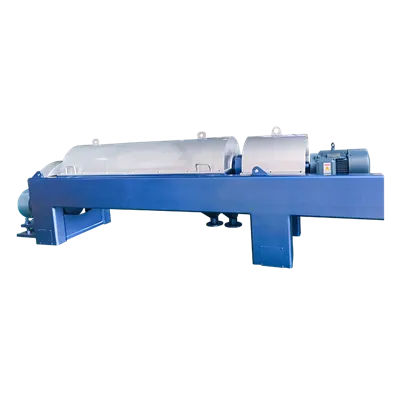
First off, it’s important to understand that the lifespan of a dewatering centrifuge isn’t set in stone. It can vary quite a bit based on several factors. One of the biggest factors is how often you use the centrifuge. Just like any other piece of equipment, the more you use it, the more wear and tear it’s going to experience.
If you’re running your dewatering centrifuge 24/7 in an industrial setting, it’s likely going to have a shorter lifespan compared to one that’s used only occasionally. For example, in a large wastewater treatment plant where the centrifuge is constantly separating solids from liquids, the components are going to be under a lot of stress. The bearings, for instance, which are responsible for the smooth rotation of the centrifuge, can wear out faster due to the continuous operation.
Another factor that affects the lifespan is the quality of the centrifuge itself. When you’re in the market for a dewatering centrifuge, it’s really important to invest in a high – quality one. Cheaper models might seem like a good deal at first, but they often don’t have the same level of durability. High – quality centrifuges are usually made with better materials and more precise manufacturing processes.
For example, a centrifuge with a stainless – steel bowl is going to be more resistant to corrosion than one made with a lower – grade metal. Corrosion can weaken the structure of the centrifuge over time, leading to leaks or even complete breakdowns. So, spending a bit more upfront on a quality centrifuge can actually save you money in the long run.
Maintenance also plays a crucial role. Regular maintenance can significantly extend the lifespan of your dewatering centrifuge. This includes things like cleaning it after each use. When solids build up inside the centrifuge, it can not only reduce its efficiency but also put extra strain on the motor and other components.
Lubricating the moving parts is another important maintenance task. The bearings and gears need to be properly lubricated to reduce friction. Without proper lubrication, these parts can overheat and wear out quickly. And don’t forget about checking the belts and seals regularly. Worn – out belts can cause the centrifuge to operate inefficiently, and leaky seals can lead to loss of fluids and contamination.
The operating conditions also matter a lot. If the centrifuge is used in a harsh environment, such as a place with high humidity or a lot of dust, it can take a toll on the machine. High humidity can cause rust, and dust can get into the moving parts and cause abrasion. In these cases, you might need to take extra precautions, like using protective covers or installing air filtration systems.
On average, a well – maintained dewatering centrifuge can last anywhere from 10 to 20 years. However, this is just a rough estimate. Some centrifuges that are used sparingly and maintained extremely well can last even longer, maybe 25 years or more. On the other hand, if a centrifuge is used intensively in a tough environment and not maintained properly, it might only last 5 to 7 years.
Let’s talk about some signs that your dewatering centrifuge might be reaching the end of its lifespan. One of the most obvious signs is a decrease in performance. If the centrifuge is no longer separating solids and liquids as effectively as it used to, it could be a sign that the internal components are worn out.
Unusual noises are also a red flag. If you start hearing strange rattling, grinding, or whining sounds when the centrifuge is running, it could indicate a problem with the bearings, gears, or other moving parts. Vibration is another issue. Excessive vibration can be a sign of an imbalance in the centrifuge, which can lead to further damage if not addressed.
When it comes to replacing a dewatering centrifuge, it’s not just about the age of the machine. You also need to consider the cost – effectiveness. Sometimes, it might be more cost – effective to repair an older centrifuge, especially if the problem is a minor one. But if the centrifuge is constantly breaking down and the repair costs are adding up, it might be time to invest in a new one.
As a dewatering centrifuge supplier, I’ve seen all sorts of situations. I’ve helped customers who were able to keep their centrifuges running smoothly for decades with proper maintenance, and I’ve also worked with those who had to replace their machines earlier due to neglect or poor – quality equipment.
If you’re in the market for a dewatering centrifuge or you’re looking to extend the lifespan of your existing one, I’m here to help. I can offer you advice on choosing the right centrifuge for your needs, provide maintenance tips, and assist you with any technical issues. Whether you’re a small business or a large industrial facility, having a reliable dewatering centrifuge is essential for your operations.
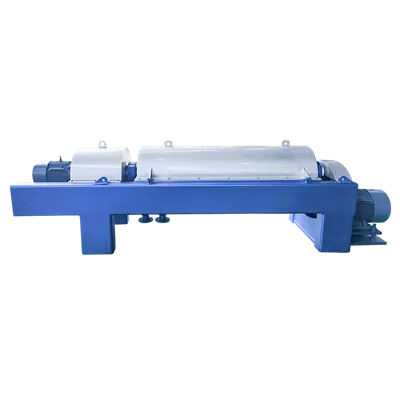
So, if you’re interested in learning more about our dewatering centrifuges or need some guidance on centrifuge maintenance, don’t hesitate to reach out. Let’s have a chat about how we can make your dewatering process more efficient and cost – effective.
3 Phase Decanter Centrifuge References
- "Industrial Centrifuge Technology Handbook" by J. D. Litster
- "Principles of Centrifugal Sedimentation" by S. W. Miller and E. J. King
Lishui Yuanrong Environmental Protection Equipment Co., Ltd.
As one of the most professional dewatering centrifuge manufacturers and suppliers in China, we have world-leading production equipment and strong manufacturing capabilities. Please feel free to buy customized dewatering centrifuge from our factory. Also, quotation is available.
Address: Lot 6-1, Block 15, Wanyang Zongchuang City, Lishui, Zhejiang, China
E-mail: 361184920@qq.com
WebSite: https://www.yrhdc.com/
