Teaching kids to organize their toys in a drawer cabinet is not only a practical skill but also an opportunity to instill good habits and a sense of responsibility from a young age. As a supplier of high – quality drawer cabinets, I’ve seen firsthand the positive impact that a well – organized storage solution can have on a child’s playroom. In this blog, I’ll share some effective strategies to help you teach your kids to keep their toys neatly organized in a drawer cabinet. Drawer Cabinet
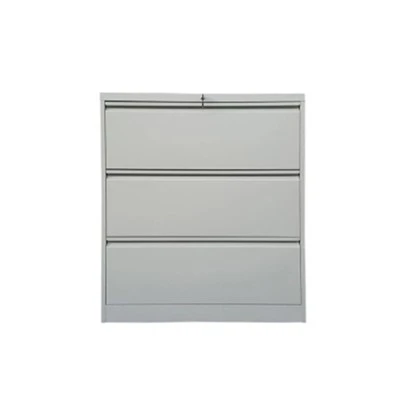
Understanding the Importance of Organization
Before diving into the practical steps, it’s crucial to help kids understand why organizing their toys is important. Explain to them that a tidy play area makes it easier to find their favorite toys, reduces the risk of losing items, and creates a more pleasant and safe space to play in. You can use simple examples, like how it would be difficult to find a specific book in a messy pile compared to a neatly arranged bookshelf.
When children understand the benefits, they are more likely to be motivated to participate in the organization process. For instance, you can tell them that if they keep their toys organized, they’ll have more time to actually play with them, rather than spending time searching for lost ones.
Choosing the Right Drawer Cabinet
As a drawer cabinet supplier, I know that selecting the appropriate cabinet is the first step in successful toy organization. Consider the following factors:
- Size: The cabinet should be large enough to accommodate all your child’s toys but not so big that it becomes overwhelming. Measure the available space in the playroom and choose a cabinet that fits well.
- Number of Drawers: Opt for a cabinet with multiple drawers of different sizes. Small drawers can be used for storing small toys like action figures, marbles, or Lego pieces, while larger drawers can hold bigger toys such as stuffed animals or building blocks.
- Durability: Kids can be rough with their toys and storage units. Make sure the cabinet is made of sturdy materials that can withstand regular use. Look for cabinets with strong drawer slides and a solid frame.
- Accessibility: The drawers should be easy for kids to open and close. Consider cabinets with smooth – gliding drawers and handles that are easy for small hands to grip.
Sorting and Categorizing Toys
Once you’ve chosen the right drawer cabinet, it’s time to sort and categorize the toys. This step is essential for creating an efficient organization system. Here’s how you can do it:
- Empty the Toy Area: Start by taking all the toys out of their current storage and spreading them out on the floor. This gives you a clear view of what you have and makes it easier to sort.
- Sort by Type: Group the toys into categories such as stuffed animals, cars, dolls, puzzles, and building blocks. You can also create sub – categories if needed, for example, separating different types of cars like race cars and trucks.
- Discard Unwanted Toys: While sorting, encourage your child to donate or throw away toys that they no longer play with or that are broken beyond repair. This not only reduces clutter but also teaches them about sharing and taking care of their belongings.
Labeling the Drawers
Labeling the drawers is a great way to help kids easily identify where each type of toy belongs. You can use labels with pictures, words, or a combination of both, depending on your child’s age and reading ability. Here are some tips for labeling:
- Use Clear and Simple Labels: Make sure the labels are easy to read and understand. For younger children, pictures are often more effective than words.
- Involve Your Child: Let your child help create the labels. They can draw pictures or write the names of the toy categories themselves. This makes the organization process more fun and engaging for them.
- Place Labels Clearly: Attach the labels to the front of the drawers at a height where your child can easily see them.
Teaching the Organization Process
Now that the toys are sorted and the drawers are labeled, it’s time to teach your child how to put the toys away in the drawer cabinet. Here are some steps to follow:
- Demonstrate the Process: Show your child how to take a toy, find the appropriate drawer, and place it inside. Do this a few times with different toys to make sure they understand the concept.
- Start with One Drawer at a Time: Begin by focusing on one drawer and teaching your child to organize the toys in that drawer. Once they are comfortable with that, move on to the next drawer.
- Make it a Game: Turn the organization process into a game to make it more enjoyable for your child. You can have a "race" to see who can put away the most toys in a certain amount of time or create a "treasure hunt" where they have to find a specific toy in the organized drawer cabinet.
Establishing a Routine
Consistency is key when it comes to teaching kids to organize their toys. Establish a daily or weekly routine for toy organization. For example, you can make it a rule that toys must be put away before bedtime or after each play session. Here’s how you can enforce the routine:
- Set Clear Expectations: Explain to your child what is expected of them during the toy – organizing routine. Let them know that it is their responsibility to keep their toys organized.
- Provide Positive Reinforcement: Praise your child when they successfully organize their toys. You can also offer small rewards, such as stickers or extra playtime, to encourage them to continue the good behavior.
- Be a Role Model: Children learn by example. Make sure you keep your own belongings organized and show them how important it is to maintain a tidy space.
Maintaining the Organization
Once the toys are organized and your child has learned the routine, it’s important to maintain the organization. Here are some tips to help with that:
- Regular Check – Ins: Periodically check the drawer cabinet to make sure the toys are still organized. If you notice any mess, gently remind your child to put the toys back in their proper places.
- Adjust the System as Needed: As your child grows and their toy collection changes, you may need to adjust the organization system. For example, if they start collecting new types of toys, you may need to create new categories or add more drawers.
- Involve Your Child in Maintenance: Teach your child how to clean the drawer cabinet and handle any small repairs, such as fixing a loose drawer handle. This gives them a sense of ownership and responsibility for their storage space.
Conclusion

Teaching kids to organize their toys in a drawer cabinet is a valuable life skill that will benefit them in many ways. By understanding the importance of organization, choosing the right drawer cabinet, sorting and categorizing toys, labeling the drawers, teaching the organization process, establishing a routine, and maintaining the organization, you can help your child develop good organizational habits from a young age.
Filling Cabinet As a drawer cabinet supplier, I’m dedicated to providing high – quality storage solutions that make it easy for kids to organize their toys. If you’re interested in learning more about our products or have any questions about toy organization, I encourage you to contact me for a purchase consultation. I’ll be happy to assist you in finding the perfect drawer cabinet for your child’s needs.
References
- Wallace, C. (2019). "The Importance of Organization Skills in Children". Journal of Child Development.
- Smith, A. (2020). "Teaching Kids to Organize: Practical Strategies for Parents". Parenting Today Magazine.
Luoyang Joyous Furniture Co., Ltd.
With abundant experience, we are one of the most professional drawer cabinet manufacturers and suppliers in China. Please rest assured to buy custom made drawer cabinet at competitive price from our factory. If you have any enquiry about cooperation, please feel free to email us.
Address: China steel furniture industry cluster area
E-mail: daniel@lyjoyous.com
WebSite: https://www.lyjoyousfurniture.com/
