If you’ve ever shopped for stable board materials—whether for livestock barns, equine facilities, or even commercial agricultural spaces—you’ve probably stumbled on bamboo stable boards in the last few years. As a supplier of these boards, I get asked one question more than any other: “Are bamboo stable boards easy to clean?” It makes total sense, too. Cleaning and sanitizing barns isn’t just about keeping spaces tidy—it’s critical for animal health, preventing the spread of disease, and cutting down on the time you spend on daily chores. I’ve been working with bamboo stable boards for over seven years, first as a small-scale farm hand and now as part of a team supplying these boards to hundreds of equine and livestock operations across North America, so I’ve seen firsthand how they perform when it comes to cleaning, and how they stack up against older options like pressure-treated wood, concrete, or even some plastic panels. Bamboo Stable Boards
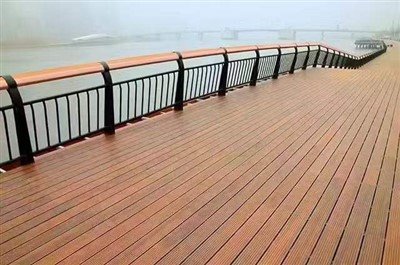
Let’s start with the biggest factor when it comes to easy cleaning: surface porosity. Porous materials—think unfinished pine, concrete that hasn’t been sealed, or even raw bamboo that’s not been treated properly—absorb liquid, manure, urine, and feed residue. Once that gunk soaks in, it’s nearly impossible to get out; bacteria like E. coli and salmonella can nest in those tiny crevices, and over time you’ll start to see stains that never fade, plus persistent odors that linger even after deep cleans. That’s where bamboo stable boards have a huge leg up. High-quality bamboo used for stable flooring and walls is processed to create a dense, non-porous surface, and the best manufacturers (including us) use a durable, food-safe sealant designed to stand up to harsh barn cleaners. I remember when a customer in Ohio, who had been using pressure-treated pine for 12 years, switched to our bamboo boards in 2021. Before the switch, he’d spend 8 hours a week scrubbing his stall walls and flooring, even using power washers at full pressure, and still end up with brown urine stains that seeped through the wood. Six months after installing bamboo, he told us he cuts that cleaning time in half. He just sprays the boards down with a mild barn disinfectant once a day, wipes them with a stiff-bristle broom, and any fresh mess comes right off without leaving a trace. That’s the kind of real-world feedback that makes this material worth talking about.
But let’s be honest—no product is perfect, and there are a few things about bamboo stable boards that you have to keep in mind if you want them to stay easy to clean long-term. The first is the quality of the bamboo itself. Not all bamboo is created equal. Cheap, thin bamboo boards that you might find at big-box hardware stores for a fraction of the price we charge are often made with low-density bamboo strands, poorly sealed, or even sourced from plants that are too young to have the same dense structure. Those boards won’t hold up to repeated power washing, and their sealant can scratch or peel over time, leaving small gaps where dirt and bacteria can get trapped. As a supplier, we only source bamboo from mature plants (at least 4 years old—bamboo reaches its peak density at that age) that are processed using a hot-press method, which compacts the strands to create a surface that’s nearly as hard as maple wood. Our sealant is a UV-resistant, water-based acrylic that’s tough enough to stand up to caustic barn cleaners, like ammonia-based disinfectants or high-pressure steam, but gentle enough that it doesn’t release harmful fumes when heated. We test every batch of boards by wiping them with a standard barn disinfectant 50 times in a row, and none of ours show any wear, staining, or absorption.
Another common concern people bring up is manure and feed buildup in the gaps between boards. Wait times between board installation can lead to small seams, and if those seams aren’t sealed properly, fine feed, manure pellets, and even urine can get stuck there, making cleaning harder. Here’s what I tell customers: when you install bamboo stable boards properly, the seams are almost never an issue. We provide installation guides that show how to use a high-quality, non-toxic silicone caulk to seal the edges of each board, which is flexible enough to handle minor shifts as the barn settles, but tough enough to keep debris out. I also recommend that when you first install the boards, you do a quick weekly check of the seams for any buildup, and use a small brush to clear out any dust or feed that’s gotten in. Once the seams are sealed tight, I’ve had customers tell me they’ve never had to clean between boards in years—they just scrub the surface once a day and that’s it. For reference, when concrete is used for stall flooring, those same customers have to scrub the joints every other day, because wet manure seeps into the cracks and attracts bacteria.
Now, let’s compare bamboo stable boards to other common stable materials, because that’s really what helps people make a decision. Pressure-treated wood, for example, is a staple for many farms, but it’s notoriously hard to clean. The grain is porous, so it absorbs urine and manure, and over time it rots in damp barn conditions, creating soft spots where bacteria can take hold. Concrete is even harder—you have to power wash it at very high pressure to get rid of set-in stains, and even then, you’ll often see discoloration after a few years. Plastic stable boards are an option, but they scratch easily, and deep scratches trap dirt and bacteria, making them impossible to fully sanitize. I had a customer in Texas switch from plastic to bamboo last year, and he said that after a year of use, his old plastic boards had so many scratch marks from horses kicking and cleaning tools that he had to replace them, because he couldn’t get the bacteria out no matter what he tried. The bamboo boards, on the other hand, still look like new, and a quick wipe every day keeps them clean.
There’s also the issue of maintenance long-term. People ask me all the time, “Do I have to reseal bamboo stable boards every few years?” The answer is, if you buy quality boards like the ones we supply, you don’t have to—at least not for 10 to 15 years. Our sealant is designed to resist fading, chipping, and wear from daily cleaning, so most customers never need to reapply it. I’ve seen bamboo boards in a barn in Minnesota that were installed in 2010, and they still don’t have a single stain or sealant issue, even after harsh winters, high-pressure washing, and dozens of horse turnouts. In contrast, I had one customer who bought cheap bamboo boards from a discount supplier five years ago, and the sealant peeled off within two years, leaving the surface porous and hard to clean. That’s why as a supplier, we always emphasize quality over price—skimping on material ends up costing you more in the long run, because you’ll have to replace boards much sooner, and spend way more time cleaning them.
Now, let’s talk about real-life challenges that even the best bamboo boards can face, because I don’t want to oversell them. If a horse kicks a sharp object like a metal horseshoe into the board, it can leave a scratch. But here’s the thing about those scratches: they’re small, and because the board’s surface is so dense, you don’t have to worry about bacteria getting trapped. Most of the time, a quick wipe with a disinfectant is enough to sanitize even a light scratch. Severe scratches can be sanded lightly and resealed, which is a much easier fix than replacing a whole board or dealing with deep-set stains in porous materials. Another challenge is very heavy, wet manure left sitting on the board for days. If you let wet manure dry on any surface, even the most non-porous, it can leave a faint stain, but it’s never permanent. A quick scrub with a stiff-bristle brush and a mild disinfectant will get it off, no power washer needed. I’ve even had customers tell me they use a pressure washer on their boards once a month for a deep clean, and they still look the same as the day they were installed.
At the end of the day, the ease of cleaning bamboo stable boards comes down to three main things: the quality of the bamboo itself, the sealant used to treat it, and proper installation and maintenance. For our part as a supplier, we make sure all three check out. We work with farmers and equine managers to answer any questions about cleaning, installation, or long-term care, because we want our customers to get the most out of their investment. If you’re tired of spending hours scrubbing barn walls and flooring, dealing with persistent odors, and replacing materials every few years, bamboo stable boards are absolutely worth considering. They’re durable, sustainable (bamboo grows much faster than hardwood, making it a more eco-friendly option), and most importantly, they cut down on the time you spend cleaning, which is a huge win for any farm or stable operation.
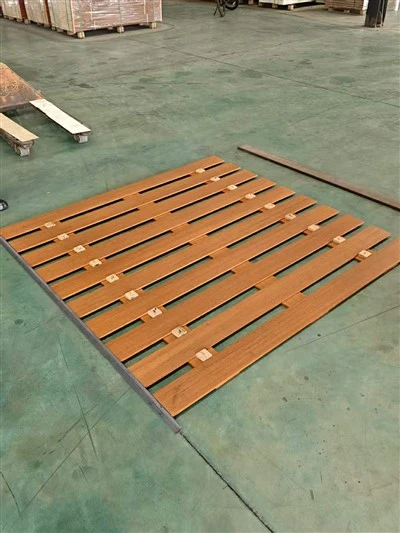
If you’re interested in learning more about how bamboo stable boards work for your specific setup, whether it’s horse stalls, cattle pens, or small livestock enclosures, we’d be happy to walk you through our product options, answer any questions, and help you figure out what’s best for your needs. Don’t hesitate to reach out to us to discuss your requirements, compare pricing, and arrange a sample if you’d like to test the product for yourself.
Bamboo Decking References
- American Society of Agricultural and Biological Engineers. (2018). Agricultural Buildings and Structures: Material Selection for Livestock Facilities. ASABE Standards.
- World Bamboo Organization. (2020). Bamboo as a Sustainable Building Material for Agricultural and Livestock Applications. WBO Technical Report.
- USDA Agricultural Research Service. (2019). Sanitation of Animal Facilities: Surface Porosity and Bacterial Retention. Journal of Agricultural and Food Safety.
- Equine Journal. (2021). Stable Maintenance: Comparing Cleaning Efforts for Common Stall Materials. Equine Health and Management Quarterly.
Ningguo Kungtai Bamboo and Wood Co., Ltd.
As one of the most professional bamboo stable boards manufacturers and suppliers in China, we warmly welcome you to wholesale bulk customized bamboo stable boards from our factory. If you have any enquiry about quotation, please feel free to email us.
Address: East of Huanggang Road, Ningdun Town, Ningguo City, Anhui Province
E-mail: office@hh-bamboo.com
WebSite: https://www.kungtaibamboo.com/
