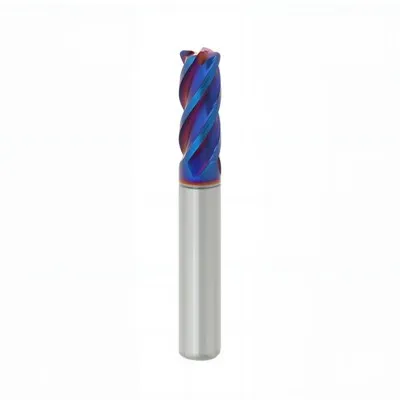
Sharpening corner rounding cutters is a crucial skill for anyone in the woodworking, metalworking, or plastic fabrication industries. As a supplier of high-quality corner rounding cutters, I understand the importance of maintaining these tools in optimal condition. A sharp cutter not only ensures clean and precise cuts but also extends the lifespan of the tool itself. In this blog post, I will share some practical tips and techniques on how to sharpen corner rounding cutters effectively. Corner Rounding Cutters
Understanding the Basics of Corner Rounding Cutters
Before we dive into the sharpening process, it’s essential to understand the basic structure and function of corner rounding cutters. These cutters are designed to create rounded edges on workpieces, which can enhance the aesthetic appeal and safety of the finished product. They come in various shapes and sizes, depending on the specific application and the desired radius of the rounded corner.
The cutting edge of a corner rounding cutter is typically made of high-speed steel (HSS), carbide, or other hard materials. The shape of the cutting edge is carefully engineered to provide a smooth and efficient cutting action. Over time, however, the cutting edge will wear down due to friction, heat, and the material being cut. This can result in dull cuts, increased cutting forces, and a shorter tool lifespan.
Signs That Your Corner Rounding Cutter Needs Sharpening
It’s important to recognize the signs that your corner rounding cutter needs sharpening. Here are some common indicators:
- Dull Cuts: If you notice that the cutter is producing rough or jagged edges, or if it requires more force to cut through the material, it’s likely that the cutting edge is dull.
- Increased Cutting Forces: A dull cutter will require more power to operate, which can lead to increased wear and tear on the machine and the cutter itself.
- Excessive Heat: If the cutter is generating excessive heat during operation, it may be a sign that the cutting edge is dull and needs to be sharpened.
- Poor Surface Finish: A dull cutter can leave a rough or uneven surface finish on the workpiece, which can affect the quality of the final product.
Sharpening Methods
There are several methods for sharpening corner rounding cutters, each with its own advantages and disadvantages. The choice of method will depend on the type of cutter, the material it’s made of, and the level of precision required. Here are some common sharpening methods:
- Bench Grinding: This is a traditional method that involves using a bench grinder to remove material from the cutting edge of the cutter. It’s a relatively simple and cost-effective method, but it requires skill and experience to achieve a precise and uniform sharpening.
- Tool and Cutter Grinder: A tool and cutter grinder is a more advanced machine that is specifically designed for sharpening cutting tools. It offers greater precision and control than a bench grinder, but it’s also more expensive and requires more training to operate.
- Sharpening Stones: Sharpening stones can be used to sharpen corner rounding cutters by hand. This method is more time-consuming and requires more skill than using a grinder, but it can be a cost-effective option for small-scale sharpening.
- Professional Sharpening Services: If you don’t have the time, equipment, or expertise to sharpen your corner rounding cutters yourself, you can consider using a professional sharpening service. These services typically offer high-quality sharpening at a reasonable price, but they may require you to send your cutters away for a few days.
Step-by-Step Guide to Sharpening Corner Rounding Cutters
Regardless of the sharpening method you choose, the following step-by-step guide will help you achieve a sharp and precise cutting edge on your corner rounding cutters:
- Inspect the Cutter: Before you start sharpening, carefully inspect the cutter for any signs of damage or wear. If the cutter is damaged beyond repair, it’s best to replace it rather than attempting to sharpen it.
- Clean the Cutter: Use a clean cloth or brush to remove any dirt, debris, or chips from the cutter. This will help to ensure a clean and accurate sharpening process.
- Determine the Sharpening Angle: The sharpening angle is the angle between the cutting edge of the cutter and the grinding wheel or stone. The correct sharpening angle will depend on the type of cutter and the material it’s made of. Consult the manufacturer’s specifications or a sharpening guide for the recommended sharpening angle.
- Secure the Cutter: Use a vise or other clamping device to securely hold the cutter in place during the sharpening process. This will help to ensure a stable and accurate sharpening.
- Sharpen the Cutting Edge: Depending on the sharpening method you choose, use a grinding wheel, sharpening stone, or other sharpening tool to slowly and evenly remove material from the cutting edge of the cutter. Make sure to maintain the correct sharpening angle and apply consistent pressure throughout the sharpening process.
- Check the Sharpness: Periodically check the sharpness of the cutter by running a finger along the cutting edge. Be careful not to cut yourself! If the cutter feels dull or rough, continue sharpening until it feels sharp and smooth.
- Deburr the Cutter: After sharpening, use a deburring tool or a fine-grit sandpaper to remove any burrs or rough edges from the cutting edge of the cutter. This will help to ensure a clean and precise cutting action.
- Clean and Lubricate the Cutter: Once you’ve finished sharpening and deburring the cutter, clean it thoroughly with a clean cloth or brush to remove any debris or metal particles. Then, apply a light coat of lubricant to the cutting edge to protect it from rust and corrosion.
Tips for Maintaining Sharp Corner Rounding Cutters
In addition to regular sharpening, there are several things you can do to maintain the sharpness of your corner rounding cutters and extend their lifespan:
- Use the Right Cutter for the Job: Make sure to choose a corner rounding cutter that is appropriate for the material you’re cutting and the desired radius of the rounded corner. Using the wrong cutter can result in dull cuts, increased cutting forces, and a shorter tool lifespan.
- Follow the Manufacturer’s Recommendations: Always follow the manufacturer’s recommendations for use, maintenance, and sharpening of your corner rounding cutters. This will help to ensure optimal performance and safety.
- Keep the Cutters Clean: After each use, clean the cutters thoroughly to remove any dirt, debris, or chips. This will help to prevent corrosion and damage to the cutting edge.
- Store the Cutters Properly: When not in use, store the cutters in a dry and protected place. This will help to prevent rust and corrosion and keep the cutting edge sharp.
- Use Cutting Fluids: When cutting hard or abrasive materials, use a cutting fluid to reduce friction and heat. This will help to extend the lifespan of the cutter and improve the quality of the cuts.
Conclusion
Sharpening corner rounding cutters is an essential skill for anyone in the woodworking, metalworking, or plastic fabrication industries. By following the tips and techniques outlined in this blog post, you can effectively sharpen your corner rounding cutters and maintain them in optimal condition. Remember to use the right sharpening method for the type of cutter and material, follow the manufacturer’s recommendations, and take proper care of your cutters to ensure a long and productive lifespan.
Aluminum End Mills If you’re in the market for high-quality corner rounding cutters or need professional sharpening services, please feel free to contact us. We’re a leading supplier of corner rounding cutters and can provide you with the products and support you need to get the job done right.
References
- "Tool Sharpening Handbook" by Robert W. Smith
- "Woodworking Tools and Techniques" by Chris Schwarz
- "Metalworking for Beginners" by Brian J. Ford
Small Craftsman (Shandong) Machine & Tools Co., Ltd.
Small Craftsman (Shandong) Machine & Tools Co., Ltd. is one of the most experienced corner rounding cutters manufacturers and suppliers in China, also supports customized service with low price. Please feel free to buy bulk high quality corner rounding cutters in stock here from our factory. Contact us for pricelist.
Address: No.9 Quanxin Rd., Sishui Economic Developing Zone, Jining, Shandong, China.
E-mail: 6196@ocutchina.com
WebSite: https://www.ocutooling.com/
