Turned parts are integral components in various industries, from automotive and aerospace to electronics and medical devices. As a turned parts supplier, I am often asked about the production process behind these precision components. In this blog post, I will take you through the step-by-step journey of manufacturing turned parts, from raw material selection to the final quality inspection. Turned Parts
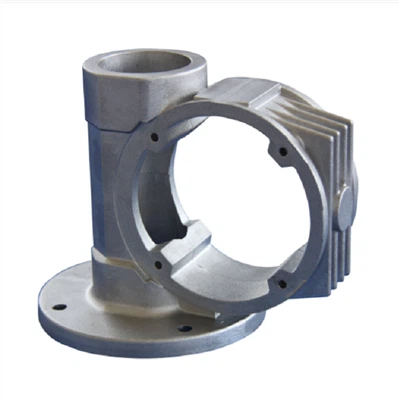
Raw Material Selection
The first and perhaps most crucial step in the production of turned parts is the selection of the appropriate raw material. The choice of material depends on several factors, including the intended application, required mechanical properties, and environmental conditions. Common materials used for turned parts include metals such as steel, aluminum, brass, and titanium, as well as plastics and composites.
When selecting a material, we consider its hardness, strength, ductility, and machinability. For example, steel is a popular choice for turned parts due to its high strength and toughness, making it suitable for applications that require durability and resistance to wear. Aluminum, on the other hand, is lightweight and has excellent corrosion resistance, making it ideal for aerospace and automotive applications.
Once the material is selected, it is typically purchased in the form of bars or rods. These raw materials are then cut to the appropriate length based on the dimensions of the turned part.
Turning Preparation
Before the actual turning process can begin, several preparatory steps are necessary. The raw material is first loaded into a lathe, which is a machine tool used for shaping and machining cylindrical parts. The lathe consists of a bed, headstock, tailstock, and a tool post.
The headstock contains the spindle, which rotates the workpiece at a high speed. The tailstock provides support for the other end of the workpiece, while the tool post holds the cutting tools.
Next, the cutting tools are selected based on the material being machined and the desired shape of the turned part. Common cutting tools used in turning include turning inserts, drills, reamers, and boring bars. These tools are made from high-speed steel, carbide, or other hard materials to withstand the high cutting forces and temperatures generated during the turning process.
The cutting tools are then mounted on the tool post, and the lathe is set up to achieve the desired cutting parameters, such as the cutting speed, feed rate, and depth of cut. These parameters are carefully selected to ensure efficient machining and high-quality surface finish.
Turning Process
The turning process involves the use of a cutting tool to remove material from the rotating workpiece. As the workpiece rotates, the cutting tool is fed into the workpiece at a specific angle and depth, creating a smooth and precise surface.
There are several types of turning operations, including facing, straight turning, taper turning, threading, and grooving. Facing is used to create a flat surface on the end of the workpiece, while straight turning is used to reduce the diameter of the workpiece to a specific size. Taper turning is used to create a tapered surface on the workpiece, while threading is used to create screw threads on the workpiece. Grooving is used to create grooves or channels on the surface of the workpiece.
During the turning process, coolant is often used to lubricate the cutting tool and workpiece, reduce friction and heat, and flush away the chips generated during machining. Coolant can also help to improve the surface finish of the turned part and extend the life of the cutting tool.
Secondary Operations
After the initial turning operations are completed, the turned part may require additional secondary operations to achieve the desired final shape and functionality. These secondary operations can include milling, drilling, grinding, heat treatment, and surface finishing.
Milling is used to create flat surfaces, slots, and pockets on the turned part. Drilling is used to create holes in the part, while grinding is used to achieve a high-precision surface finish and tight tolerances. Heat treatment is used to improve the mechanical properties of the material, such as hardness and strength, while surface finishing is used to enhance the appearance and corrosion resistance of the part.
Quality Inspection
Quality inspection is an essential part of the production process for turned parts. Throughout the manufacturing process, we perform various inspections to ensure that the parts meet the required specifications and quality standards.
In-process inspections are carried out at various stages of the production process to detect any potential issues early on and take corrective action if necessary. These inspections can include dimensional measurements, surface finish inspections, and material testing.
Final inspection is performed on the completed turned parts to ensure that they meet all the specified requirements. This inspection typically includes a detailed dimensional inspection using precision measuring tools such as calipers, micrometers, and coordinate measuring machines (CMMs). The parts are also inspected for surface finish, hardness, and other mechanical properties.
Packaging and Delivery
Once the turned parts have passed the final quality inspection, they are carefully packaged to prevent damage during transportation. The packaging materials are selected based on the size, shape, and weight of the parts, as well as the shipping method.
Finally, the parts are shipped to the customer in a timely manner. We work closely with our logistics partners to ensure that the parts are delivered safely and on schedule.
Conclusion

The production process of turned parts is a complex and precise operation that requires a combination of advanced technology, skilled labor, and strict quality control. As a turned parts supplier, we are committed to providing our customers with high-quality parts that meet their exact specifications and requirements.
Stamping Parts If you are in need of turned parts for your next project, I encourage you to contact us to discuss your specific needs. Our team of experts will work closely with you to understand your requirements and provide you with the best possible solutions. We look forward to the opportunity to partner with you and help you achieve your manufacturing goals.
References
- Kalpakjian, S., & Schmid, S. R. (2014). Manufacturing Engineering and Technology. Pearson.
- Groover, M. P. (2010). Fundamentals of Modern Manufacturing: Materials, Processes, and Systems. Wiley.
Hangzhou Zhalihui Import And Export Co., Ltd.
We are one of the most experienced turned parts manufacturers and suppliers in China, specialized in providing high quality customized products. Please feel free to buy discount turned parts in stock here from our factory. Contact us for quotation.
Address: Room 2801, Building 2, Taifu Plaza, No.17, Tonghui Middle Road, Chengxiang Street, Xiaoshan, Hangzhou, Zhejiang
E-mail: Chars_1979@hotmail.com
WebSite: https://www.zhalihui.com/
