Hey there! I’m a supplier of elevator parts for TOSHIBA, and today I’m gonna share with you how to install TOSHIBA elevator buffer parts. It’s a pretty important job, and getting it right can make sure the elevator runs safely and smoothly. Elevator Parts for TOSHIBA

Before You Start
First things first, safety is key. You gotta wear the right safety gear, like hard hats, safety glasses, and steel – toe boots. Also, make sure you’ve got all the tools you need. For installing TOSHIBA elevator buffer parts, you’ll typically need a wrench set, a torque wrench (this is super important for getting the right tightness), a level, and a measuring tape.
Check all the parts you’ve got. Make sure they’re the correct parts for the specific TOSHIBA elevator model you’re working on. You don’t want to start the installation and then realize you’ve got the wrong stuff. And don’t forget to read the installation manual that comes with the buffer parts. It’s like a roadmap for the whole process.
Preparing the Installation Site
The first step in the actual installation is to prepare the site. Clean the area where the buffer parts will be installed. Remove any dirt, debris, or old parts that might be in the way. You want a clean and clear surface for a proper installation.
Use the measuring tape to mark the exact location where the buffer parts will go. Make sure the marks are accurate according to the elevator’s specifications. Then, use the level to ensure that the surface is perfectly horizontal. If it’s not level, the buffer won’t work as it should, and it could cause problems down the line.
Installing the Base
The base of the elevator buffer is the foundation. Start by placing the base on the marked location. Use the wrench to attach it securely to the floor. But don’t just tighten it up randomly. This is where the torque wrench comes in handy. Refer to the installation manual for the correct torque value. Over – tightening can damage the parts, and under – tightening can make the buffer unstable.
Once the base is in place, double – check its levelness again. You can use a spirit level to make sure it’s perfectly flat. This step is crucial because the rest of the buffer installation depends on a stable base.
Mounting the Buffer Cylinder
After the base is installed, it’s time to mount the buffer cylinder. Lift the cylinder carefully (it can be heavy, so get some help if you need it) and place it on the base. There are usually alignment pins or holes that help you get it in the right position. Make sure the cylinder fits snugly on the base.
Use bolts or screws to attach the cylinder to the base. Again, use the torque wrench to tighten them to the specified torque. This will ensure that the cylinder is firmly attached and won’t come loose during the elevator’s operation.
Connecting the Hydraulic Lines (if applicable)
Some TOSHIBA elevator buffer parts are hydraulic. If that’s the case for the parts you’re installing, you’ll need to connect the hydraulic lines. First, make sure the lines are clean and free of any blockages. Then, carefully attach them to the appropriate ports on the buffer cylinder and the hydraulic unit.
Use the right fittings and seals to prevent any leaks. Tighten the connections with a wrench, but be careful not to over – tighten them. A small leak can lead to a big problem, so it’s important to do this step right.
Electrical Connections (if any)
If the buffer parts have electrical components, like sensors or switches, you’ll need to make the electrical connections. Start by turning off the power to the elevator to avoid any electrical shocks. Identify the wires and terminals according to the wiring diagram in the installation manual.
Strip the ends of the wires carefully and connect them to the correct terminals. Use wire nuts or crimp connectors to secure the connections. Once you’re done, double – check all the connections to make sure they’re tight and there are no loose wires.
Testing the Installation
After you’ve installed all the buffer parts, it’s time to test the installation. First, turn on the power (if you turned it off for the electrical work). Check for any abnormal noises, vibrations, or leaks. If you notice any of these, stop the test immediately and check the installation again.
You can also perform some basic functional tests. For example, simulate an elevator impact on the buffer (in a safe and controlled way) to see if it responds as it should. Make sure the buffer compresses and rebounds properly.
Adjustments and Final Checks
If the tests show any issues, you may need to make some adjustments. This could involve tightening or loosening some connections, adjusting the position of the buffer, or checking the hydraulic pressure.
Once you’ve made all the necessary adjustments, do a final check of all the parts. Make sure everything is clean, all the bolts are tightened to the right torque, and there are no loose wires or leaks.
Conclusion
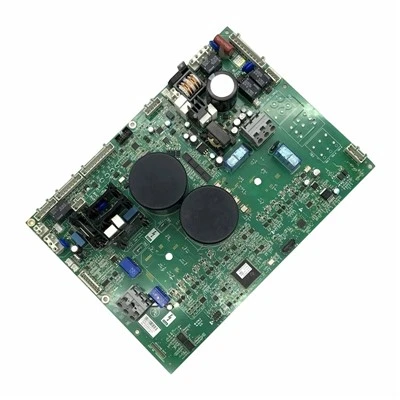
Installing TOSHIBA elevator buffer parts is a detailed process, but if you follow these steps, you should be able to do it successfully. Remember, safety comes first, and always refer to the installation manual.
Escalator Parts If you’re in the market for high – quality TOSHIBA elevator buffer parts or other elevator parts, I’d love to talk to you. Whether you’re an elevator maintenance company, a building owner, or someone involved in elevator installation, we’ve got the parts you need. Just reach out to me, and we can discuss your requirements and get you the best solutions for your elevator needs.
References
- TOSHIBA Elevator Parts Installation Manuals
- Industry Standards for Elevator Buffer Installation
Shaanxi Nona Elevator Parts Co., Ltd.
As one of the leading elevator parts for toshiba manufacturers and suppliers in China, we warmly welcome you to wholesale bulk elevator parts for toshiba in stock here from our factory. All elevator parts are with high quality and competitive price. For pricelist, contact us now.
Address: No.1502 Ronghao Building, Xi’an City, Shaanxi Province, China
E-mail: candice@nonaelevator.com
WebSite: https://www.nonaelevatorparts.com/
