As a supplier of EC centrifugal fans, I’ve encountered numerous situations where customers face issues with their fans. Troubleshooting an EC centrifugal fan when it fails is a crucial skill that can save time, money, and prevent unnecessary downtime. In this blog, I’ll share my insights and experiences on how to effectively troubleshoot these fans. EC Centrifugal Fan
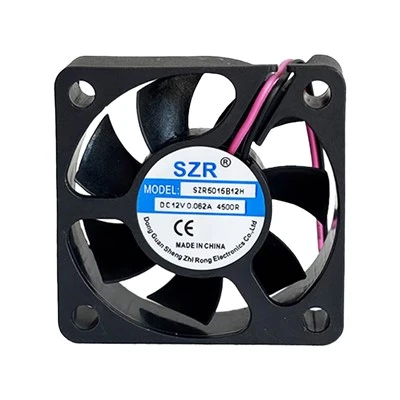
Understanding the Basics of EC Centrifugal Fans
Before diving into troubleshooting, it’s essential to have a basic understanding of how EC centrifugal fans work. EC stands for Electronically Commutated, which means these fans use an electronic controller to regulate the motor’s speed and performance. Centrifugal fans are designed to move air radially, using a rotating impeller to increase the air’s velocity and pressure.
The main components of an EC centrifugal fan include the motor, impeller, housing, and electronic control unit. The motor is responsible for driving the impeller, which draws in air from the inlet and expels it through the outlet. The housing encloses the impeller and directs the air flow, while the electronic control unit manages the motor’s speed and other functions.
Common Causes of EC Centrifugal Fan Failures
There are several common causes of EC centrifugal fan failures, including:
Electrical Issues
- Power Supply Problems: A faulty power supply can cause the fan to stop working or operate erratically. This can be due to a blown fuse, loose connection, or a problem with the electrical circuit.
- Motor Failure: The motor is one of the most critical components of the fan, and a failure can result in the fan not working at all. Motor failures can be caused by overheating, electrical shorts, or mechanical wear and tear.
- Control Unit Malfunctions: The electronic control unit is responsible for regulating the motor’s speed and other functions. A malfunction in the control unit can cause the fan to operate at the wrong speed, stop working, or exhibit other abnormal behavior.
Mechanical Issues
- Impeller Damage: The impeller is the rotating component of the fan that moves the air. Damage to the impeller, such as cracks or bent blades, can cause the fan to operate inefficiently or not at all.
- Bearing Failure: The bearings support the motor shaft and allow it to rotate smoothly. Over time, the bearings can wear out, causing the motor to vibrate or make noise. In severe cases, bearing failure can lead to the motor seizing up.
- Belt or Pulley Issues: Some EC centrifugal fans use belts or pulleys to transfer power from the motor to the impeller. A loose or worn belt, or a misaligned pulley, can cause the fan to operate inefficiently or not at all.
Environmental Factors
- Dust and Debris: Dust and debris can accumulate on the fan’s components, such as the impeller and motor, reducing its efficiency and causing it to overheat.
- Moisture and Corrosion: Exposure to moisture can cause the fan’s components to rust and corrode, leading to premature failure.
- High Temperatures: Operating the fan in high-temperature environments can cause the motor to overheat, reducing its lifespan and increasing the risk of failure.
Troubleshooting Steps
When an EC centrifugal fan fails, the first step is to diagnose the problem. Here are some troubleshooting steps you can take:
Step 1: Check the Power Supply
- Verify that the fan is plugged in and receiving power. Check the electrical outlet and the fan’s power cord for any signs of damage or loose connections.
- Check the circuit breaker or fuse box. If the circuit breaker has tripped or the fuse has blown, reset the breaker or replace the fuse.
Step 2: Inspect the Motor
- Check for signs of overheating, such as a hot motor casing or a burning smell. If the motor is overheating, it could be due to a problem with the electrical supply, a mechanical issue, or a blocked air flow.
- Listen for any abnormal noises coming from the motor. Grinding, rattling, or squealing noises could indicate a problem with the bearings or other components.
Step 3: Examine the Impeller
- Inspect the impeller for any signs of damage, such as cracks or bent blades. If the impeller is damaged, it will need to be replaced.
- Check the impeller for balance. An unbalanced impeller can cause the fan to vibrate and operate inefficiently.
Step 4: Check the Control Unit
- Verify that the control unit is functioning properly. Check the control unit’s display for any error messages or abnormal readings.
- Test the control unit’s settings. Make sure the fan is set to the correct speed and mode.
Step 5: Look for Environmental Factors
- Check for dust and debris accumulation on the fan’s components. Clean the impeller, motor, and housing using a soft brush or compressed air.
- Inspect the fan for signs of moisture or corrosion. If the fan has been exposed to moisture, dry it thoroughly and check for any signs of damage.
- Monitor the temperature of the environment where the fan is operating. If the temperature is too high, consider installing additional ventilation or cooling equipment.
Preventive Maintenance
To prevent EC centrifugal fan failures, it’s important to perform regular preventive maintenance. Here are some maintenance tasks you can perform:
- Clean the Fan Regularly: Remove dust and debris from the fan’s components using a soft brush or compressed air.
- Lubricate the Bearings: If the fan has lubricated bearings, follow the manufacturer’s recommendations for lubrication intervals and use the appropriate lubricant.
- Inspect the Belts and Pulleys: Check the belts for wear and tension, and the pulleys for alignment. Replace any worn or damaged belts or pulleys.
- Test the Control Unit: Periodically test the control unit’s settings and functionality to ensure it’s working properly.
- Monitor the Fan’s Performance: Keep an eye on the fan’s speed, temperature, and noise level. Any significant changes in these parameters could indicate a problem.
When to Seek Professional Help
While many EC centrifugal fan problems can be resolved through troubleshooting and preventive maintenance, there are times when it’s necessary to seek professional help. Here are some signs that you should contact a professional:
- The fan is making unusual noises or vibrations that you can’t diagnose.
- The fan is not working at all, and you’ve exhausted all the troubleshooting steps.
- The fan has suffered significant damage, such as a broken impeller or motor.
- You’re not comfortable performing the necessary repairs or maintenance yourself.
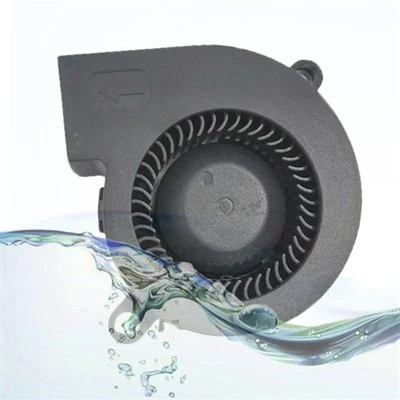
As an experienced EC centrifugal fan supplier, I’m here to help you with any troubleshooting or maintenance issues you may encounter. Our team of experts can provide you with technical support, replacement parts, and installation services to ensure your fans are operating at peak performance.
EC Blower Fan If you’re in need of EC centrifugal fans or have any questions about troubleshooting or maintenance, please don’t hesitate to contact us for a consultation. We’re committed to providing you with high-quality products and exceptional customer service.
References
- "Centrifugal Fans: Principles, Selection, and Application." ASHRAE Handbook – HVAC Systems and Equipment.
- "Troubleshooting Guide for EC Fans." Manufacturer’s Manual.
- "Preventive Maintenance for Industrial Fans." Industrial Ventilation Manual.
Dongguan Shengzhirong Electronics Co., Ltd.
As one of the most professional ec centrifugal fan manufacturers and suppliers in China, our products have good reputation in the market. Please rest assured to wholesale high quality ec centrifugal fan made in China here from our factory. Customized orders are welcome.
Address: 6/F, Building 2, No.68, Shunxing 2nd Road, Dajingtou 2nd Industrial Zone, Dalang Town, Dongguan City, Guangdong, China
E-mail: szr_coolingfan@163.com
WebSite: https://www.szrfan.com/
