Yo, aviation enthusiasts! I’m here representing an aircraft hangar supplier, and today we’re diving into a question that’s been making rounds: Are there any noise – reduction measures in an aircraft hangar? Aircraft Hangar
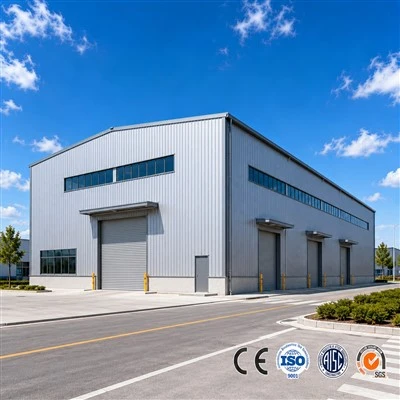
Let’s start with why noise reduction in an aircraft hangar is a big deal. Hangars are pretty hectic places. You’ve got planes being serviced, engines being tested, and all sorts of machinery whirring away. That noise can not only be a real pain for the workers inside but can also cause a ruckus for anyone nearby. Whether it’s a neighboring airport terminal, an office building, or a residential area, excessive noise from a hangar can lead to complaints and even legal issues.
Now, onto the meat of the matter – the noise – reduction measures.
First up is the insulation. Good insulation is like a rockstar when it comes to keeping the noise in check. We use top – notch insulation materials that are specifically designed to absorb sound waves. Fiberglass insulation, for example, is a popular choice. It’s got this fluffy structure that traps sound, preventing it from bouncing around the hangar and escaping outside. We make sure to install it in the walls and ceilings of the hangars we supply. It’s not just about stopping the noise from getting out; it also helps in reducing the echo inside the hangar. That means the workers inside can have a more comfortable working environment, where they can actually hear each other without having to shout over the din.
Another sweet measure is the use of sound – dampening panels. These panels are like the secret agents of noise reduction. They’re made of special materials that are engineered to absorb and disperse sound energy. We mount these panels on the interior walls of the hangar. They come in different shapes and sizes, and we can customize them to fit the specific layout of the hangar. Some hangars have a lot of open space, and in those cases, we can use large, flat panels. For areas with machinery or engines, we might use curved panels that can better direct the sound waves towards the absorbing material.
Doors and windows also play a crucial role in noise reduction. We install air – tight doors and windows in our hangars. When a door or a window has a good seal, it acts as a barrier for the sound. A poorly sealed door can let a ton of noise leak out, but our doors are designed with rubber gaskets and other sealing mechanisms. This way, even when the planes inside are roaring, the noise stays where it belongs – inside the hangar. And let’s not forget about the windows. We use double – glazed windows that are filled with an insulating gas. This not only helps in reducing heat transfer but also cuts down on the amount of noise that can pass through.
The ventilation system in an aircraft hangar is another area where we can implement noise – reduction strategies. The fans and ducts in a ventilation system can generate a lot of noise on their own. We use low – noise fans that are designed to move air efficiently without making a whole lot of racket. Plus, we insulate the ducts to prevent the noise from traveling through them. We also make sure to balance the air flow in the ventilation system. If the air is flowing too fast or too unevenly, it can create additional noise. By ensuring a smooth and balanced air flow, we can keep the noise generated by the ventilation system to a minimum.
Now, let’s talk about the floor. A concrete floor can reflect a lot of sound, which can contribute to the overall noise level in the hangar. To combat this, we can offer floor coverings that have sound – absorbing properties. Rubber mats are a great option. They not only reduce the noise but also provide a more comfortable surface for the workers to walk on. And in areas where there’s a lot of heavy machinery movement, the rubber mats can also absorb some of the vibrations, which in turn helps in reducing the noise.
We’ve also got some tricks up our sleeves when it comes to the layout of the hangar. By strategically placing different areas within the hangar, we can minimize noise. For example, we can put the engine testing area as far away from the main entrance and the offices as possible. This creates a buffer zone that helps in reducing the amount of noise that reaches the more sensitive areas. And we can use partitions or barriers between different work areas. These partitions can be made of sound – absorbing materials, further reducing the spread of noise within the hangar.
But it’s not just about the physical measures. We also offer training and support to our clients on how to manage noise in their hangars. We can provide guidelines on how to operate machinery and equipment in a way that minimizes noise. For example, making sure that engines are properly maintained can reduce the amount of noise they produce. We can also offer advice on scheduling work in the hangar. By doing noisy tasks during times when there are less people around, such as during the night or on weekends, the impact of the noise on the surrounding areas can be reduced.
So, to sum it all up, yes, there are definitely noise – reduction measures in an aircraft hangar. And as a hangar supplier, we’re all about providing the best solutions to our clients. Whether you’re running a small private hangar or a large commercial one, we’ve got the expertise and the products to help you keep the noise under control.
If you’re interested in learning more about our aircraft hangars and the noise – reduction features we offer, we’d love to have a chat with you. Reach out to us for a procurement discussion, and we can work together to figure out the best hangar solution for your needs.
Aircraft Hangar References
- Aircraft Maintenance Technology Handbook
- Sound and Vibration Control Engineering Principles
Liaoning Zhongbei Steel Structure Engineering Co., Ltd.
Liaoning Zhongbei Steel Structure Engineering Co., Ltd. is one of the most professional aircraft hangar manufacturers and suppliers in China, also supports customized service. We warmly welcome you to buy advanced aircraft hangar made in China here from our factory. Also, quotation is available.
Address: No. 239 – 1, Shenbei West Road, Yuhong District, Shenyang, Liaoning.
E-mail: Info@cnssgroup.cn
WebSite: https://www.cnssprefabbuildings.com/
