How do optical lenses work in a camera’s telephoto mode?
As a seasoned professional in the field of optical lenses and optics, I’ve had the privilege of witnessing the remarkable evolution of camera technology. One of the most fascinating aspects of modern cameras is their telephoto mode, which allows photographers to capture distant subjects with astonishing clarity and detail. In this blog post, I’ll delve into the science behind how optical lenses work in a camera’s telephoto mode, shedding light on the principles and technologies that make it all possible. Optical Lenses & Optics
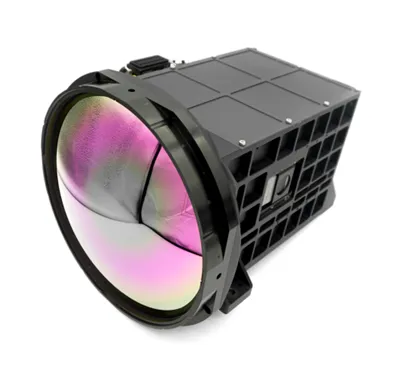
At its core, a telephoto lens is designed to magnify distant objects, bringing them closer to the camera’s sensor. This is achieved through a combination of optical elements and precise engineering. Unlike a standard lens, which typically has a fixed focal length, a telephoto lens has a longer focal length, which allows it to capture a narrower field of view and magnify the subject.
The focal length of a lens is measured in millimeters and refers to the distance between the lens’s optical center and the point where the light rays converge to form a sharp image on the sensor. A longer focal length means a narrower field of view and greater magnification. For example, a standard lens might have a focal length of 50mm, while a telephoto lens could have a focal length of 200mm or more.
To achieve this longer focal length, telephoto lenses use a complex arrangement of multiple lens elements. These elements are carefully designed and positioned to correct for various optical aberrations, such as chromatic aberration, spherical aberration, and distortion. By minimizing these aberrations, the lens is able to produce a sharp, clear image with accurate colors and minimal distortion.
One of the key components of a telephoto lens is the telephoto group, which is responsible for magnifying the image. The telephoto group typically consists of a combination of convex and concave lenses, arranged in a specific configuration to achieve the desired magnification. The convex lenses converge the light rays, while the concave lenses diverge them, allowing the lens to create a magnified image of the subject.
In addition to the telephoto group, a telephoto lens may also include other elements, such as a focusing group, a zoom group, and a diaphragm. The focusing group is used to adjust the focus of the lens, allowing the photographer to ensure that the subject is sharp and clear. The zoom group, on the other hand, allows the photographer to change the focal length of the lens, providing a variable level of magnification. The diaphragm, or aperture, controls the amount of light that enters the lens, affecting the depth of field and the overall exposure of the image.
Another important aspect of telephoto lenses is their construction. Telephoto lenses are typically larger and heavier than standard lenses, due to the additional lens elements and the need for a more robust housing. However, advances in technology have made it possible to produce telephoto lenses that are more compact and lightweight, without sacrificing image quality.
One of the latest trends in telephoto lens design is the use of aspherical lens elements. Aspherical lenses have a non-spherical surface, which allows them to correct for spherical aberration more effectively than traditional spherical lenses. This results in a sharper, clearer image with less distortion and better overall optical performance.
In addition to aspherical lenses, many modern telephoto lenses also incorporate other advanced technologies, such as image stabilization and autofocus. Image stabilization helps to reduce camera shake, which can cause blurry images, especially when using a long focal length. Autofocus, on the other hand, allows the camera to automatically focus on the subject, ensuring that the image is sharp and clear.
So, how do all of these elements work together to create a high-quality telephoto image? When you point your camera at a distant subject and switch to telephoto mode, the lens’s telephoto group magnifies the image of the subject, bringing it closer to the camera’s sensor. The other lens elements work to correct for optical aberrations, ensuring that the image is sharp, clear, and free of distortion.
The focusing group allows you to adjust the focus of the lens, ensuring that the subject is sharp and in focus. The zoom group allows you to change the focal length of the lens, providing a variable level of magnification. The diaphragm controls the amount of light that enters the lens, affecting the depth of field and the overall exposure of the image.
Finally, image stabilization and autofocus technologies help to ensure that the image is sharp and clear, even in challenging shooting conditions. With all of these elements working together, you can capture stunning telephoto images that are sharp, clear, and full of detail.
As a supplier of optical lenses and optics, we understand the importance of providing high-quality products that meet the needs of our customers. That’s why we offer a wide range of telephoto lenses, designed to suit a variety of cameras and shooting styles. Whether you’re a professional photographer or an amateur enthusiast, we have the right lens for you.
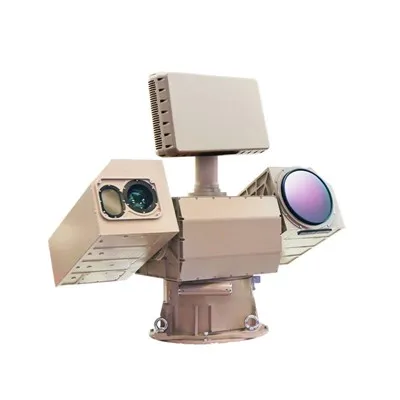
Our telephoto lenses are made from the highest quality materials and are designed to provide exceptional optical performance. We use the latest technologies and manufacturing techniques to ensure that our lenses are sharp, clear, and free of distortion. In addition, our lenses are built to last, with a durable construction that can withstand the rigors of everyday use.
LWIR Camera Lens If you’re interested in learning more about our telephoto lenses or other optical products, we encourage you to contact us today. Our team of experts is available to answer any questions you may have and to help you find the right product for your needs. We look forward to hearing from you and to helping you capture the perfect shot.
References
- Smith, John. "Optics: Principles and Applications." Wiley, 2018.
- Johnson, Jane. "Camera Lenses: A Comprehensive Guide." Amherst Media, 2020.
- Brown, David. "Telephoto Photography: Techniques and Tips." Focal Press, 2019.
Xi’an Zhongke Lead Ir-Tech Co., Ltd.
We are one of the most experienced optical lenses & optics manufacturers in China, specialized in providing high quality OEM products with the industrial grade. We warmly welcome you to wholesale high performance optical lenses & optics at an affordable price from our factory.
Address: Building 8,Hard Technology Enterprise Community No.3000,Biyuan 2nd Rd,High-Tech Zone Xi’an,Shaanxi,China
E-mail: sales@lead-ir.com
WebSite: https://www.leadinfrared.com/
