As a supplier of vertical machining centers, I’ve had numerous conversations with customers regarding various aspects of these machines. One question that often comes up is about the noise levels during the operation of a vertical machining center. In this blog, I’ll share some insights based on my experience and knowledge in the industry. Vertical Machining Center

Understanding the Sources of Noise in Vertical Machining Centers
Vertical machining centers are complex pieces of equipment that involve multiple moving parts and processes. The noise generated during their operation can be attributed to several factors.
1. Spindle Operation
The spindle is one of the most critical components of a vertical machining center. It rotates at high speeds to drive the cutting tools. The high – speed rotation of the spindle can generate significant noise. The bearings within the spindle play a crucial role here. If the bearings are of poor quality or are worn out, they can cause additional vibrations and noise. For example, a spindle rotating at 10,000 RPM or more can produce a high – pitched whine that is quite audible in the workshop.
2. Cutting Process
When the cutting tool engages with the workpiece, there is a significant amount of force and friction involved. This interaction creates noise. The type of material being cut, the cutting speed, and the feed rate all affect the noise level. For instance, cutting hard materials like stainless steel or titanium requires more force, which can result in louder noise compared to cutting softer materials such as aluminum.
3. Coolant System
The coolant system in a vertical machining center is used to lubricate and cool the cutting tool and the workpiece. The pumps and nozzles in the coolant system can also contribute to the overall noise. The flow of coolant through the pipes and the spraying action can create a constant background noise.
4. Chip Conveyor
As the cutting process generates chips, a chip conveyor is used to remove these chips from the work area. The movement of the conveyor belts and the mechanical components involved in the chip – removal process can produce noise, especially if the conveyor is not properly maintained or if there are jams.
Measuring Noise Levels
To accurately assess the noise levels during the operation of a vertical machining center, we use sound level meters. These meters measure the sound pressure level in decibels (dB). The typical noise levels of a vertical machining center can range from 70 dB to 90 dB, depending on the machine’s size, speed, and the cutting operations being performed.
A noise level of 70 dB is comparable to the sound of a normal conversation in a restaurant. At this level, the noise is generally tolerable for short periods. However, as the noise level approaches 90 dB, it becomes more intense, similar to the sound of a lawnmower. Prolonged exposure to noise levels above 85 dB can cause hearing damage, so it’s important to take appropriate measures to reduce the noise in the workplace.
Factors Affecting Noise Levels
1. Machine Design
The design of the vertical machining center plays a significant role in determining the noise levels. A well – designed machine with proper vibration damping and noise – isolation features can significantly reduce the noise. For example, some machines are equipped with special enclosures that help to contain the noise within the machine.
2. Maintenance
Regular maintenance is crucial for keeping the noise levels in check. Worn – out parts such as bearings, belts, and gears can increase the noise. By replacing these parts in a timely manner and ensuring that all components are properly lubricated, we can minimize the noise generated by the machine.
3. Cutting Parameters
The choice of cutting parameters, such as cutting speed, feed rate, and depth of cut, can also affect the noise levels. Optimizing these parameters can reduce the force and friction during the cutting process, thereby reducing the noise. For example, reducing the cutting speed slightly while increasing the feed rate can sometimes result in a quieter operation.
Strategies to Reduce Noise Levels
1. Machine Enclosures
Installing enclosures around the vertical machining center is one of the most effective ways to reduce noise. These enclosures are made of sound – absorbing materials and can significantly reduce the noise that escapes into the workshop. They also provide additional safety by preventing chips and coolant from splashing out.
2. Vibration Damping
Using vibration – damping materials under the machine can help to reduce the vibrations transmitted to the floor, which in turn reduces the noise. Rubber pads or specialized vibration – isolation mounts can be used for this purpose.
3. Maintenance and Lubrication
As mentioned earlier, regular maintenance and proper lubrication are essential for reducing noise. By keeping the machine in good condition, we can ensure that all components operate smoothly and quietly.
4. Operator Training
Training operators to use the machine correctly can also help to reduce noise. Operators should be aware of the optimal cutting parameters and should follow the recommended maintenance procedures.
Importance of Low – Noise Vertical Machining Centers
In today’s manufacturing environment, the importance of low – noise vertical machining centers cannot be overstated.
1. Employee Health and Safety
Exposure to high noise levels can cause hearing loss, stress, and other health problems for employees. By providing low – noise machines, we can create a safer and more comfortable working environment for our customers’ employees.
2. Productivity
High noise levels can be distracting and can reduce the productivity of employees. A quieter machine allows operators to focus better on their work, leading to higher quality and more efficient production.
3. Environmental Impact
Reducing noise pollution is not only beneficial for the employees but also for the surrounding environment. Low – noise machines contribute to a more sustainable manufacturing process.
Conclusion
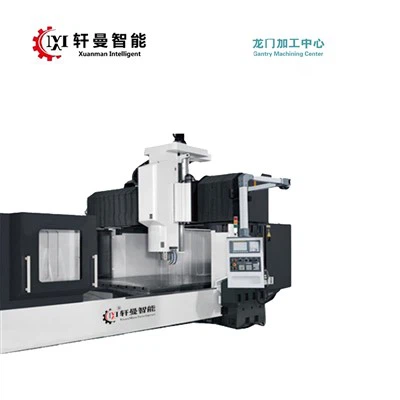
In conclusion, the noise levels during the operation of a vertical machining center are influenced by various factors, including spindle operation, cutting process, coolant system, and chip conveyor. By understanding these factors and implementing appropriate strategies to reduce noise, we can provide our customers with machines that are not only high – performing but also quiet and safe to operate.
CNC Drilling Machine If you’re in the market for a vertical machining center and are concerned about noise levels, I encourage you to contact us for a detailed discussion. We can provide you with information about our machines’ noise – reduction features and help you choose the right machine for your specific needs. Our team of experts is always ready to assist you in making an informed decision. Let’s work together to find the perfect vertical machining center for your manufacturing operations.
References
- "Machining Technology: An Introduction" by Robert L. Nayak
- "Handbook of Noise Control" by Cyril M. Harris
- Industry reports on vertical machining center performance and noise reduction
Jiangsu Xuanman Intelligent Equipment Co., Ltd.
We’re well-known as one of the leading vertical machining center manufacturers in China, featured by quality products and low price. Please rest assured to buy discount vertical machining center made in China here from our factory. We also accept customized orders.
Address: No. 1-1, Weier Road, Jieji Equipment Manufacturing Industrial Park, Sihong County, Suqian City, Jiangsu Province, China
E-mail: jsxmzn@163.com
WebSite: https://www.xm-cnc.com/
