If you’ve ever ordered a pressure washer, a fog machine for a wedding, or even a commercial paint sprayer, you’ve probably glanced at the nozzle section and seen tiny labels: “high pressure” and “low pressure.” At first glance, they look like interchangeable parts—both have that pointy end, both squirt liquid. But if you’re someone who actually uses these (or sells them, like I do), picking the wrong one is a fast track to frustration. I’ve worked with high pressure nozzles for over a decade, and I’ve lost count of how many times a customer called me panicking, saying their “low pressure” nozzle didn’t cut the grease off their concrete, or their high pressure one blew a hole in their kitchen tile. Today, let’s break down what actually separates these two, no jargon, no stuffy textbook quotes, just the real deal from someone who’s seen them in action. High Pressure Nozzle
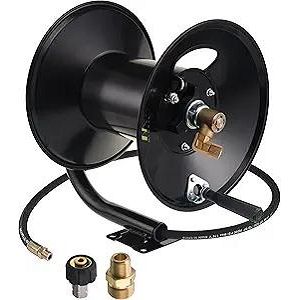
First, let’s get the basics straight: pressure here isn’t just a number on a gauge. It’s the force that moves the liquid through that tiny hole, and the way that force interacts with your target is everything. High pressure nozzles (HPNs) operate at anything from 1,000 PSI to over 40,000 PSI, for reference—think of that as the equivalent of balancing two mid-sized pickup trucks on the end of a garden hose. Low pressure nozzles (LPNs) max out around 500 PSI, usually way lower, like 10 to 100 PSI, which is roughly the pressure you feel turning on a regular outdoor spigot. But the big difference isn’t just the numbers—it’s what that pressure does to the liquid when it exits the nozzle.
High pressure nozzles work by squeezing liquid through a super small orifice (that’s the technical term for the hole) at insane speed. When that jet hits a surface, it doesn’t just sit there—it blasts apart gunk, grease, dirt, even old paint. I once had a plumber customer use a 3,000 PSI high pressure nozzle to unclog a 100-foot-long sewage line that had years of buildup; he told me it took him 20 minutes with that nozzle, versus two full days with a regular snake. But that power comes with a catch: if you get within a foot of soft surfaces like wood or vinyl siding, it’ll etch the wood or peel the siding right off. I had a homeowner call me last spring, red-faced, because he used his new pressure washer with a generic high pressure nozzle on his deck and left permanent gouges. He thought “more pressure” meant better cleaning, not knowing that high pressure nozzles are designed for targeted, heavy-duty work, not broad coverage.
Low pressure nozzles, on the other hand, spread the liquid wide before it even exits the nozzle. Think of them like a shower head, but adjustable—they turn the tight jet from your hose into a fan, a mist, or a gentle spray that covers a big area. The pressure is low, so the liquid doesn’t have enough force to break through tough gunk, but it’s perfect for tasks where you want to coat something evenly without damage. I sell low pressure nozzles to farmers for applying herbicides, to event planners for fog systems that don’t blow people over, and to restaurant owners for hand-washing dishes without chipping plates. A local café owner told me she switched from a high pressure nozzle for her soda machine cleaning to a low pressure one, and she hasn’t broken a glass since—plus, she uses half the cleaner, because the low pressure spray coats every crevice without splattering it everywhere.
Wait, but let’s clear up a common myth: some people think “high pressure = more water” and “low pressure = less water.” That’s not true. It’s all about velocity, not volume. A high pressure nozzle uses much less water than a low pressure one for the same job. For example, a pressure washer with a 2,000 PSI high pressure nozzle uses about 2 gallons per minute (GPM), while a garden hose with a low pressure spray nozzle uses 5-10 GPM. That means you’ll pay less on your water bill with a high pressure nozzle, but if you’re spraying a 1,000 square foot lawn, you’re going to waste half your water waiting for it to cover the whole area with a high pressure jet.
Another big difference is the design of the nozzle itself. High pressure nozzles have to be built tough—they’re made from stainless steel, ceramic, or even carbide, because the constant high pressure will wear down cheap plastic or brass nozzles in weeks. I see that all the time: people buy a $10 generic high pressure nozzle from a hardware store, use it a few times on a pressure washer, and it cracks. A good high pressure nozzle from our shop costs a bit more upfront, but it lasts years, even with daily use. Low pressure nozzles? They’re way simpler, usually made from plastic or soft brass, because they don’t have to handle that kind of force. You can even get a pack of 5 low pressure nozzles for $5 at a home goods store, and they’ll work fine for light use.
The tip shape is another dead giveaway. High pressure nozzles almost always have a round, narrow orifice, sometimes with a small V-groove or fan cut at the end for specific spray patterns, but the core is tight. You’ll see these on pressure washers, paint sprayers for industrial use, and even jet cutters for pipes. Low pressure nozzles have a wider, flatter orifice that spreads the liquid as it comes out—think of the adjustable nozzles on your kitchen sink or a sprinkler head. Some low pressure nozzles are even designed to mix air into the liquid, creating that soft, frothy mist you see at car washes for drying cars, or in humidifiers.
Let’s talk about use cases, because that’s where the rubber meets the road (pun intended). If you’re cleaning grease off a garage floor, removing graffiti, or unclogging a drain, you need a high pressure nozzle. No question. That 3,000 PSI blast is the only thing that’s going to break through that tough stuff without using harsh chemicals. But if you’re watering plants, applying fertilizer, spraying soap on a car, or fogging a space for a party, a low pressure nozzle is your best friend. I once had a landscaper come to me, saying he was using a high pressure nozzle to spray his herbicides, and half the weed killer was blowing away in the wind. He switched to a low pressure flat spray nozzle, and his herbicide use dropped by 40%—and he didn’t have to re-spray half the yard because the spray actually landed where he wanted it.
Another thing people don’t think about: safety. High pressure nozzles can cause serious injury if misused. The force is so strong that if it hits your skin, it can puncture tissue, even cause permanent damage. OSHA actually has guidelines for high pressure nozzle use, requiring protective gear like gloves and goggles. Low pressure nozzles? They’re pretty safe—you can’t get cut or hurt from the spray, even if it hits your arm. I always tell customers that if they’re using a high pressure nozzle, never point it at a person or a pet, and always follow the PSI limits of their equipment. I’ve seen a guy get a tiny jet of 4,000 PSI water in his finger, and he ended up in the ER—so safety is no joke here.
Wait, but what about medium pressure? Some people ask me about that, like there’s a middle ground. Honestly, medium pressure is just a marketing term. There’s no official line between high and low, it’s all about the intended use. At our shop, we draw the line at 500 PSI: anything above that is high pressure, anything below is low. That makes sense for our customers, because 500 PSI is roughly the pressure where a jet can start damaging soft surfaces, and where it’s strong enough to break through light dirt. If you’re working with pressure between 500 and 1,000 PSI, that’s a “light industrial” high pressure nozzle, basically.
I’ve had so many customers tell me they wish they’d known this difference before they bought their nozzle. Last month, a restaurant chain contacted me, needing nozzles for their new outdoor patio cleaning. They’d ordered a bunch of high pressure nozzles, but when they tested them, they kept breaking the patio’s tile grout. We sent them low pressure fan nozzles that cover a wide area with soft pressure, and they told me the next week that their cleaning time went down, their grout is still intact, and they’re using 30% less cleaner. That’s the kind of win I love—no fancy tech, just matching the nozzle to the job.
Let’s recap, just to make sure we’re all on the same page: high pressure nozzles run at 500 PSI and up, are built from tough materials, have narrow orifices, are for heavy-duty, targeted cleaning, use less water, can damage soft surfaces, and require safety gear. Low pressure nozzles run at under 500 PSI, are simple, have wide orifices, are for broad, gentle application, use more water, are safe for most surfaces, and don’t need special gear. The biggest mistake people make is assuming “more pressure = better performance” for every job, but that’s just not true. Sometimes a soft, even spray is way more effective than a super tight blast.
At the end of the day, the right nozzle isn’t about the biggest number on the package—it’s about what you’re trying to do. If you’re not sure which one you need, don’t guess. I’ve spent years helping people pick the right nozzle for their project, whether it’s a small home pressure washer or a 10,000 PSI industrial cleaner. I don’t want you to waste money on a nozzle that’s too strong or too weak, just like I don’t want you to damage your property or hurt yourself.
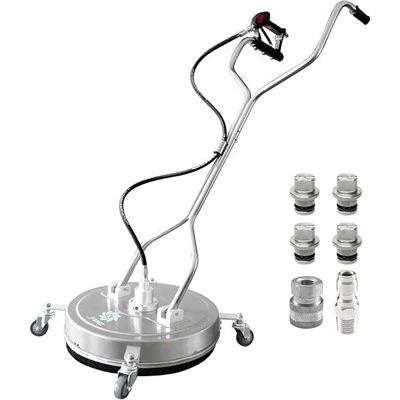
If you’re shopping for a nozzle and you’re stuck, or you want to ask about high pressure nozzle options for your next project, reach out to talk through what you need. No sales pitch, no pressure—just real advice from someone who lives and breathes nozzles every day.
High Pressure Nozzle References
- Pressure Washing Institute. (2022). Nozzle Technology and Application Standards for Commercial Cleaning.
- Occupational Safety and Health Administration (OSHA). (2021). Safety Guidelines for High Pressure Fluid Equipment Use.
- Agricultural Engineers Society. (2020). Low Pressure Spray Nozzle Performance for Agricultural Chemical Application.
- Material Science and Engineering, Vol. 45, No. 2. (2019). Wear Resistance of Nozzle Materials Under High Pressure Fluid Flow.
Zhejiang GTM Hi-Tech Intelligent Equipment Co., Ltd.
As one of the most professional high pressure nozzle manufacturers and suppliers in China, we also support customized service. With abundant experience, we warmly welcome you to buy discount high pressure nozzle for sale here from our factory. For price consultation, contact us.
Address: No.5 of Changjiang Road, 2nd Economic Development Zone of Wenling, Zhejiang, China
E-mail: yehuanting1@hongyemfg.com
WebSite: https://www.gtm-plungerpump.com/
