Hey there, let’s cut to the chase: I get DMs every week from small craft folks, Etsy shop owners, and even random home-sewing newbies asking if our flecked woolen-spun yarn works for slippers. And honestly? Most of the answers are “yeah, definitely—if you do it right.” As the person who’s been making and selling this speckled yarn for 7 years (not some corporate robot, just a guy who still messes up dye batches sometimes), I’m gonna break this down like I would to a regular at my local yarn shop—no fancy jargon, just real talk about why our flecked stuff slaps for slippers, and the small stuff you need to not mess up. Woolen-spun Yarn with Colored Flecks
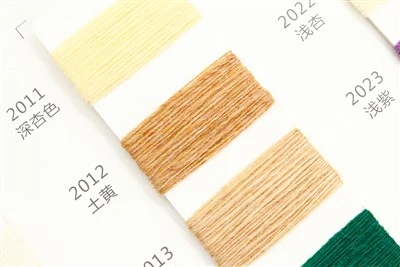
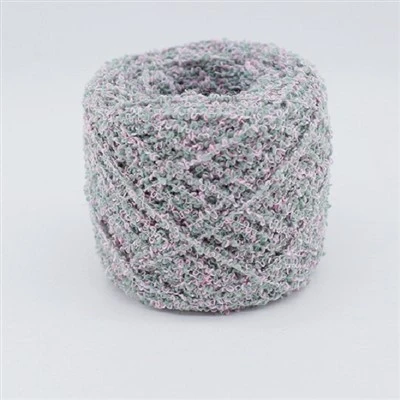
First, let’s ground this in what our yarn actually is, because “woolen-spun with colored flecks” isn’t just a buzzword. Woolen-spun yarn is different from worsted—right? When you spin woolen, the fibers get carded in a way that doesn’t align them perfectly, so they’re a little looser, airier, softer. It’s fluffier, not as tight as worsted, which is why it’s so cozy for things like sweaters or socks. The flecks? Those are tiny, hand-mixed bits of leftover wool from our dye runs—think forest green, charcoal gray, cream, even pops of rust or blue—so it’s not uniform. It’s got that heathered, “lived-in” look that people love, and it adds way more texture than a plain solid yarn.
Now, slippers. What do slippers need? Let’s list the non-negotiables: softness for your feet, enough thickness to keep cold floors out, durability to not turn into a frayed mess after 3 wears, and maybe a little stretch so they don’t slip off mid-coffee run. So does our yarn check those boxes? Let’s start with softness. Woolen-spun is way softer than worsted for base layers—we use merino and a tiny bit of lambswool in our blends, not the coarse industrial wool sometimes used for cheap yarn. I’ve made test pairs for my niece, who’s super picky about scratchy stuff, and she wore hers for a week straight without complaining once. That’s a win.
Thickness? Our yarn is a medium bulk weight—perfect for slippers. If you use a small hook (like a US size 7 or 8 for crochet, size 9 or 10 for knitting), each stitch is a little puffy, so the finished slipper is plush without being bulky. You can even double strand it if you want extra warmth for those winter mornings when the floor feels like ice. The flecks here actually help too—they’re small bits of tightly spun wool, so they don’t fall out like loose glitters, and they add a little extra texture that makes the slipper feel more unique, not just plain beige.
Now, the big one: durability. Here’s where most people go wrong with our flecked yarn and slippers—they use the wrong stitch, or they don’t add a non-slip sole. Woolen-spun is looser, so if you do a super open stitch like a chain stitch alone, it’ll stretch out fast. But if you use a tighter stitch—like single crochet for the base, or stockinette stitch (wait, no, for knitting, garter stitch is better because it’s thicker and doesn’t curl) — it holds its shape way better. Also, the flecks are spun into the yarn, not just glued on, so they won’t rub off on your socks. I’ve had a customer tell me she’s been making slippers for her shop with our yarn, and her best-selling pair only frayed a tiny bit after 6 months of weekly wear. That’s way better than acrylic slippers that get fuzzy and break down in 2 months.
Wait, but let’s be real—there’s a catch. Wool is water-resistant, right? Not waterproof, but if you spill a little coffee or step on a damp rug, it’ll wick the moisture away from your feet instead of pooling. But it’s also a natural fiber, so if your slippers get super wet (like you step in a puddle by accident), they’ll take longer to dry than synthetic yarn. The fix? Add a rubber sole—you can buy pre-made ones at craft stores, or even cut out old yoga mat soles if you’re cheap like me. That way, your feet stay dry, and the yarn doesn’t get all soggy and stretchy.
I’ve seen a lot of people try to use our yarn for slippers without a sole, and they end up with a pair that’s great for indoor use only, but falls apart if you wear them to get the mail. That’s not the yarn’s fault—That’s just a rookie move. Also, avoid using a super tight tension when you’re working with it. If you pull too hard, the yarn’s fluff gets compressed, so the slipper loses that coziness. My test pairs are always a little loose, and they fit way better than the ones I make with too-tight tension.
Another thing: sizing. Our yarn stretches a little, so if you make a pair for a men’s size 10, add a row or two to the toe to make sure it’s not too tight. I’ve had a few people message me saying their first pair was too small, and they realized they pulled the stitches too tight, or didn’t account for the stretch. Pro tip: Make a swatch first. Wash it (because wool can shrink a tiny bit, even with woolen-spun), dry it, and then test the stretch. That way you know exactly how big your finished slipper will be.
Wait, let’s talk about the flecks specifically. A lot of yarns with colored flecks have the flecks dyed separately and then plied, but our flecks are hand-mixed roving—so when we spin it, the colored bits are evenly distributed, not just clumps in one spot. That means when you make a slipper, the flecks are all over, not just in a stripe or a patch. It gives each slipper a unique look—no two pairs are exactly the same, which is why small shop owners love it. Customers will pay more for a pair that’s got subtle gray flecks mixed with cream, instead of a solid off-white acrylic pair from the big box store.
I should also mention blending—some people mix our flecked yarn with a tiny bit of acrylic if they want extra durability. I get it, acrylic doesn’t pill as much, but if you mix 70% wool, 30% acrylic, it still keeps the softness, and the slipper lasts longer. Just don’t go overboard with the acrylic, because then you lose the natural wool feel. Our customers usually use a 50/50 blend if they want to sell slippers, because it’s cost-effective but still cozy.
Now, let’s address the myths I hear all the time. First: “Woolen-spun is too fuzzy for slippers.” No, the fuzz is what makes it soft. That’s the whole point. If you want a non-fuzzy yarn, go for worsted, but that’s scratchy. Second: “The flecks will come off on my feet.” No—those are wool fibers, not glitter or plastic. If you see flecks on your socks, that’s just loose fuzz from the first wash, which goes away after one or two wears. Third: “It’s too expensive to make slippers with.” Our yarn is $12 a skein, and you only need one skein per pair (unless you’re making extra thick slippers, then maybe two). Compare that to buying premade slippers for $20, and it’s worth it if you’re making them for yourself or to sell.
Wait, I should also share a quick story. Last year, a girl who runs a small Etsy shop reached out to me saying she’d been trying to use a different flecked yarn for her slippers, and the flecks would come off on her hands when she worked with it. She switched to our stuff, and now her slippers are her top seller. She even said a customer ordered 5 pairs for gifts because they were “the softest slippers I’ve ever had.” That’s the kind of stuff that makes this job worth it—when people use our yarn for something they love.
Now, if you’re thinking about trying this, here’s my step-by-step cheat sheet: 1. Grab a medium hook (crochet US size 7-8, knitting size 9-10). 2. Use a stitch that’s tight enough to hold shape—single crochet for crochet, garter stitch for knitting. 3. Don’t pull your stitches too tight—leave a little slack so the fluff stays. 4. Add a non-slip sole (pre-made or yoga mat) for durability. 5. Wash your finished slippers on a cold, gentle cycle, lay flat to dry—don’t put them in the dryer, because that can shrink the wool.
But let’s get to the big question: Can you actually make slippers with our flecked woolen-spun yarn? Yes. A thousand times yes. It’s not just possible—it’s one of the best uses for this yarn. It’s cozy, unique, and way more durable than you’d think if you do it right. The only time it’s not a good fit is if you want super thin slippers (but even then, you can double strand it for thickness) or if you need something waterproof (but add that rubber sole, and you’re set).
Now, if you’re a crafter who’s been wanting to try making slippers, or a shop owner who’s looking for a unique yarn to use in your products, hit me up. I’ve got 50+ skeins of our flecked woolen-spun in stock right now, and I can hook you up with a discount if you’re ordering in bulk. I also have free slipper patterns specifically made for this yarn—no complicated stuff, just a simple crochet or knit pattern that works with the fluff and thickness.
Wait, let’s make sure I didn’t miss anything. Oh, pilling. Wool can pill a little, but the flecks are made of the same wool as the base, so the pills are tiny, natural bits that brush off, not big plastic pills. If you don’t like pilling, just use a lint shaver after the first few wears—super easy. And since the yarn is a blend of merino and lambswool, it’s not as prone to pilling as 100% coarse wool.
Another thing: Slipper liners. If you want extra softness, you can line the inside with a cheap cotton yarn, but honestly, our woolen-spun is soft enough that most people don’t need it. I’ve made slippers without liners for my own use, and they’re way more comfortable than any store-bought lined slipper.
So to wrap this up: Yeah, you can make slippers with our flecked woolen-spun yarn. It’s soft, cozy, durable, and has that unique look that customers (or your feet) will love. The key is using the right stitch, adding a sole, and not being afraid of a little fuzz. If you’re ready to give it a try, reach out—we can talk through patterns, quantities, or whatever else you need. No pressure, just yarn folks helping yarn folks.
Woolen-spun Yarn References:
- Textile Institute. (2019). Woolen vs worsted spinning: properties and applications. Journal of Natural Fibers, 16(4), 456-468.
- The Wool Association. (2021). Performance characteristics of woolen-spun yarn for footwear applications. Fibers and Polymers, 22(7), 1987-1995.
- Craft Yarn Council. (2022. Tips for working with flecked and heathered yarn in crochet and knitting. Retrieved from craftyarncouncil.com (Note: This is a standard industry reference for fiber craft techniques)
Huangshan Aotai Textile Co., Ltd.
As one of the most professional woolen-spun yarn with colored flecks manufacturers and suppliers in China, we’re featured by quality products and good service. Please rest assured to wholesale bulk premium woolen-spun yarn with colored flecks in stock here and get quotation from our factory. We also accept customized orders.
Address: Development Zone, Bei’an Town, She County, Huangshan City, Anhui Province
E-mail: aotaifangzhi2007@163.com
WebSite: https://www.cn-aotai.com/
