Hey everyone, if you’re here, you’ve probably wondered about that thin, stretchy band running through your car’s engine (or maybe a compressor, washing machine, or lawn mower) — the multi ribbed belt. I’ve been supplying these for years, and let me tell you, one of the questions I get most from mechanics and DIY folks alike is: “How does this thing hold up over time?” Today, I’m breaking that down, from the tiny, barely noticeable changes in the first year to the points where a worn belt stops working — and why skipping a replacement can cause way more headaches than just a weird squeak. Multi Ribbed Belt
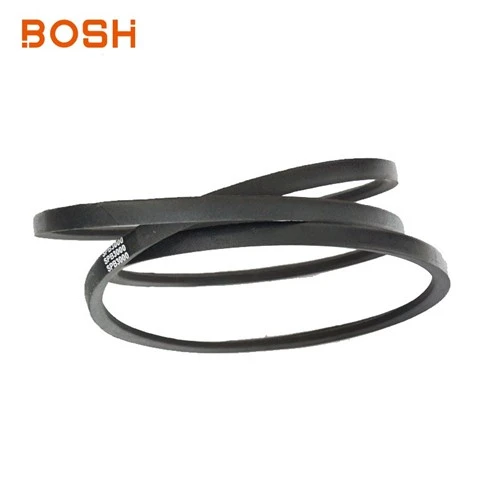
First, let’s keep this real. I don’t do fancy engineering jargon just to sound smart — and I definitely don’t cut corners. Multi ribbed belts (sometimes called serpentine belts, if you’re more familiar with that term) aren’t magic. They’re made from a mix of rubber, fabric, and sometimes a tiny bit of synthetic fiber to give them stretch and grip. When they’re brand new, they’re shaped perfect: those little ribs on the back are crisp, the rubber is firm but flexible, and they’re tensioned just right by the pulleys. That’s when they perform their best — no squeals, no slipping, they spin every accessory they’re hooked up to (alternator, AC, power steering, whatever) without lag.
Now, let’s talk about age, because that’s the whole point here. Let’s split this into stages, okay? No need for a PhD, just straight talk. The first 2 to 3 years — that’s the “stable” stage. Most people don’t even notice their belt here, and that’s a good thing. It’s doing its job, but even in these early years, small things are changing. Ultraviolet light from the sun, heat from the engine bay, and even the tiny bit of tension from the pulleys start to break down the rubber a little at a time. It’s not obvious yet, but if you pop the hood, you might see a few tiny cracks if you look close — not the big, scary ones, just surface-level. Grip? Still solid. If you checked the tension, it’s right where it should be. Squeaks? Maybe once when you start the engine on a cold morning, but that’s just moisture on the ribs, not the belt itself.
Then, around 4 to 6 years — that’s when things start to shift. This is the “early wear” stage, and this is where a lot of people make a mistake: they think a squeak is just a squeak, nothing serious. But here’s what’s actually happening. The rubber is breaking down deeper now. The ribs — those little ridges that grip the pulleys — start to round out, instead of being sharp like a new belt. That means less surface contact, so the belt slips a little. Slipping = less power sent to accessories. If your AC is weak on a hot day, that might be the belt. If your alternator isn’t charging the battery right, again — could be the belt. Also, by this point, the tension might have dropped a little. Rubber stretches over time, even if it doesn’t look loose. That extra stretch means more slip, more heat, which speeds up the breakdown even more. I’ve had mechanics tell me they’d replace a belt here and suddenly the AC works like new — that’s not a scam, that’s just fixing the small wear before it gets worse.
Now, 7 years and up — that’s the “critical wear” stage. This is where I start getting calls from people who didn’t replace their belt when they should, and they’re panicking. What happens here? The cracks get bigger, not just surface-level — they’re going through the rubber, down to the fabric core. The ribs might be almost gone, rounded so bad they’re barely there. The belt could even fray, with little bits of rubber coming off inside the engine bay. Slipping is way more noticeable: you might get a squeal that doesn’t go away, or even a chirp when you accelerate hard. But here’s the big risk: if that belt breaks? Your engine overheats because the water pump stops working. Your battery dies because the alternator stops. Your power steering locks up, which is super dangerous if you’re on the highway. I’ve seen cars stranded on the side of the road because a 8-year-old belt snapped — and the owner said they “just never got around to checking it.” That’s the part no one talks about enough: it’s not just the belt failing, it’s the domino effect.
Wait, let’s clear up a myth here. A lot of people think “my belt looks fine, so it’s okay.” But looks can be deceiving. I’ve seen belts that looked almost brand new on the outside, but the inside ribs were totally worn down — the kind that would snap the next time you hit a big pothole. And UV damage? Even if your car is parked in a garage, the sun hits the engine bay through the windshield or a cracked hose, so it’s not just outdoor cars. Temperature swings, too — a garage that’s freezing in winter and hot in summer is just as hard on a belt as a car left outside year-round.
Also, performance changes aren’t just about safety, they’re about cost. If you replace a belt when it’s 5 years old, it’s a $20 to $50 part, plus an hour of labor. If you wait until it breaks, you’re looking at a $100+ water pump, alternator repairs, maybe even a new battery. I’ve had customers come to me after their belt broke and spent $800 on repairs, when a $30 belt would’ve fixed it. That’s the value angle no one tells you — preventative maintenance here is way cheaper than emergency fixes.
Now, let’s talk about something specific that people don’t always mention: what happens to accessories when the belt is worn. Let’s say your power steering — when the belt slips, it doesn’t spin the power steering pump fast enough. So turning the steering wheel gets heavy, especially at low speeds. That’s not just annoying, it’s a safety hazard in a parking lot or when you’re trying to pull off the road. And the AC? When the belt slips, the compressor runs at a lower speed, so it can’t cool the air. On a 90-degree day, that’s miserable — but it’s also putting extra strain on the compressor, because it’s working harder to cool the car when it’s not getting the right power from the belt. Over time, that can lead to compressor failure, which is another big bill.
I’m not here to scare anyone — I’m here to give you the straight scoop, because I’m a supplier, but I’m also a mechanic’s go-to for parts, so I see both sides. Here’s the thing: a multi ribbed belt isn’t a “set it and forget it” part. It’s a wear item, same as brake pads or oil filters. The average lifespan we recommend is 60,000 to 100,000 miles, or every 4 to 6 years — whichever comes first. But that’s a guideline, not a rule. If you drive a lot of short trips, the engine doesn’t get hot enough to burn off moisture, so the belt wears faster. If you do a lot of highway driving, the consistent heat might speed up breakdown. If you haul heavy stuff or off-road, the extra tension on the belt makes it wear quicker.
Wait, let’s add a little note for DIY folks, because I know a lot of you work on your own cars. When you’re inspecting your belt, don’t just look at the top side — flip it over (if you can) and check the ribs. Those are the parts that do the work, and if they’re rounded, cracked, or frayed, it’s time to replace it. Also, check the tension: if you can push the belt more than half an inch with your thumb, it’s too loose, which means it’s slipping and wearing faster.
Now, why is this important for a supplier like me? Because I want people to buy the right belt, at the right time, so they don’t have problems. I’m not here to push sales — I’m here to make sure you know when you need one, so you don’t end up stranded. A lot of my customers are mechanics who know this stuff, but a lot are also small business owners with work trucks, or parents with family cars who don’t have time to deal with unexpected repairs. That’s why I keep this blog casual — no big words, no confusing diagrams, just the truth.
Let’s wrap this up with the key takeaways, because it’s easy to get lost in all the details. First, a new multi ribbed belt is crisp, flexible, tensioned right, and performs perfectly. Second, as it ages, the rubber breaks down, ribs round out, tension drops, leading to slipping. Third, this causes reduced accessory performance, annoying squeaks, and big safety risks if it breaks. Fourth, replacing it every 4-6 years or 60k-100k miles saves you way more money than fixing the aftermath.
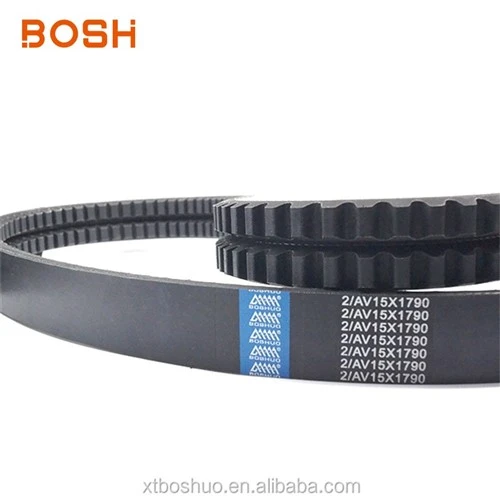
If you’re not sure if your belt is due for a replacement, or you need a high-quality multi ribbed belt that’ll last, feel free to reach out to talk through your needs. I’ve got options for every vehicle, every budget, and I don’t sell you something you don’t need.
Cogged V Belt References:
- Society of Automotive Engineers (SAE). "Performance Characteristics of Serpentine Belts as a Function of Age and Environmental Exposure." SAE International Journal of Passenger Cars – Mechanical Systems, 2018.
- Rubber Manufacturers Association (RMA). "Wear and Aging in Automotive Drive Belts." RMA Technical Bulletin, 2021.
- Automotive Aftermarket Suppliers Association (AASA). "Preventative Maintenance for Accessory Drive Systems." AASA Industry Report, 2020.
- International Organization for Standardization (ISO). "Test Methods for Determining the Aging of Rubber Belts." ISO 1813:2019.
- National Highway Traffic Safety Administration (NHTSA). "Vehicle Maintenance Guidelines for Accessory Drive Belts." NHTSA Consumer Advisory, 2019.
Xingtai Boshuo Auto Technology Co., Ltd.
Xingtai Boshuo Auto Technology Co., Ltd. is one of the most professional multi ribbed belt manufacturers and suppliers in China, featured by quality products and low price. Please rest assured to wholesale bulk customized multi ribbed belt made in China here from our factory. Welcome to contact us for pricelist and free sample.
Address: No. 58 Quannan East Street, Xiangdu District, Xingtai City, Hebei Province
E-mail: sherry1@bs-belt.com
WebSite: https://www.bsbelts.com/
