Hey everyone, it’s Jake from the Specialty Tapes team, and today we’re diving into one of the most common questions we get from healthcare workers, patients, and even parents: Are medical specialty tapes hypoallergenic? Let’s cut through the confusion here because we field this at least a dozen times a week, and honestly, it’s such a critical question—no one wants to deal with a stubborn rash right when you’re trying to heal. Specialty Tapes
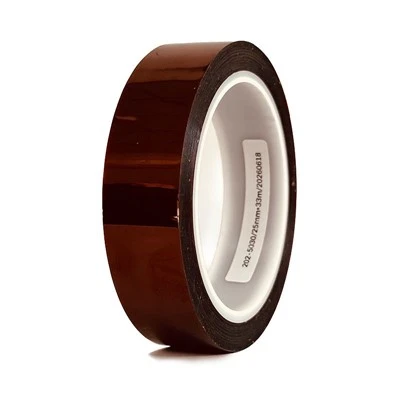
First off, let’s get one thing straight: There’s no such thing as 100% hypoallergenic, all-purpose medical tape. But that’s not the answer people usually want to hear. What we do have are tapes designed specifically to cut down on skin irritation, and that’s the bar we aim for here. Let’s break this down because it’s not as simple as “this tape is hypoallergenic” or “that one’s not”—it depends on materials, manufacturing, and who’s wearing it.
Wait, let’s start with why skin reacts to medical tape in the first place. Ever had that red, itchy patch where a bandage or surgical tape was stuck? That’s often not a true allergy—most of the time, it’s contact dermatitis, specifically irritant contact dermatitis. It happens when the tape’s adhesive or backing pulls away the top layer of your skin (the stratum corneum) when you peel it off. That tiny tear lets bacteria in and triggers inflammation, which looks like a rash. True allergic contact dermatitis is less common, and it’s usually to a specific ingredient—like nickel, acrylic monomers, or latex—where your immune system actually overreacts.
Now, for our specialty medical tapes (since that’s what we sell), we build them with irritation in mind. Let’s talk about the core materials because that’s where the magic happens. Most standard drugstore tapes use heavy adhesives meant to stay put for hours, even through sweat or moisture. Our specialty tapes? We use pressure-sensitive adhesives (PSAs) that are formulated to be low-tack but still strong enough for what they’re used for—think securing catheters, wound dressings, or even surgical drapes, without digging into skin.
A big one is acrylic vs. rubber adhesives. Rubber-based adhesives are cheaper, stick harder, and are more likely to cause irritation because they can leave residue and trigger allergic reactions in some people. Our medical-grade specialty tapes almost exclusively use acrylic adhesives. Why? They’re less likely to cause both irritant and allergic reactions, they don’t leave that sticky gunk behind when you peel them off, and they work well on most skin types. We also avoid latex entirely—latex allergies are super common, and it’s a no-go in every medical product we manufacture.
Then there’s the backing material. Our specialty tapes use thin, breathable backings—like polypropylene or non-woven fabric—that let air circulate to the skin. That’s a huge deal because when skin is trapped under non-breathable tape, it gets sweaty, macerated (soft and breakable), and way more prone to irritation. For people with sensitive skin, that breathability makes a world of difference. We even have a line of silicone-based specialty tapes for ultra-sensitive skin—those are the ones parents swear by for taping bandages on kids or people with eczema, because they stick well but peel off with almost no tugging.
But wait, let’s get real—no tape is for everyone. I mentioned earlier that true allergies are rare, but they do happen. For example, a tiny percentage of people are allergic to certain components in acrylic adhesives, even though it’s less common than rubber allergies. Or if someone has really severe eczema or a condition like contact dermatitis as part of their overall skin issues, even the most hypoallergenic tape might cause a reaction. That’s why we always tell people: It’s not just about the tape, it’s about their skin type, how long the tape is on, and how it’s applied.
Let’s talk about testing because that’s what separates the run-of-the-mill tapes from the medical specialty kind. Our tapes go through rigorous biocompatibility testing, right? We follow ISO standards—specifically ISO 10993, which is the global gold standard for medical device biocompatibility. That means we test for things like skin irritation, cytotoxicity (whether it kills skin cells), and allergic potential. We don’t just slap a “hypoallergenic” label on because we think it’s nice—we have third-party labs confirm that our tapes are low-irritant and low-allergen.
Another thing we do is avoid unnecessary additives. Some cheaper tapes add fragrances, dyes, or preservatives to make them smell nice or look pretty, but those are just extra ingredients that can trigger reactions. Our specialty tapes are fragrance-free, dye-free, and free of parabens—all stuff that’s irrelevant to how well the tape works, but can be a problem for sensitive skin. I’ve had nurses tell us that their patients who reacted to other tapes because of the dye switched to ours and never had an issue again. That’s the kind of feedback that makes this worth it.
Now, let’s clear up a common myth: People often mix up “hypoallergenic” with “waterproof.” Those two aren’t the same. A waterproof tape might stay on longer, which could mean more time for irritation if it’s not breathable. Our specialty tapes that are water-resistant or waterproof still prioritize breathability for that reason. For example, our surgical tape for post-op patients is water-resistant enough to handle a quick shower, but it’s still got a porous backing so skin doesn’t get trapped under moisture for hours.
Who uses our hypoallergenic specialty tapes anyway? Let’s be specific—we work with hospitals, wound care clinics, home health agencies, and even individual patients who order direct. We’ve got tapes for everything: securing IVs and catheters without pulling out fragile skin, securing wound dressings on burn patients, taping stoma bags, and even for athletic use (like taping joints without irritating skin during long training sessions). The last one’s a big one—athletes with sensitive skin used to have to choose between a tape that works and one that doesn’t irritate, and now our specialty tapes fill that gap.
Let’s talk about real-world feedback, because that’s what matters more than lab tests. Last month, we got an email from a mom in Ohio whose 7-year-old has eczema that flares up any time he gets a bandage on. She’d tried 5 different drugstore tapes, all left him red and itchy for days. She ordered our silicone-based specialty tape, and wrote back a week later saying he was able to wear it for 5 days straight for a wound on his knee, no rash, no complaints. That’s the stuff that makes our jobs worth it. We also hear from wound care nurses who say our tapes cut down on call-backs from patients with irritation, which saves them time and makes recovery way less stressful.
But here’s the thing—we don’t want to oversell it. We’ll never say our tapes are 100% hypoallergenic, because like I said, that doesn’t exist. We will say they’re designed to minimize the risk of skin reactions way more than standard tapes, and that they’re formulated with the most skin-friendly materials possible. If you have a history of contact dermatitis or allergies to medical tape, we always recommend testing a small piece first—put a tiny patch on your inner arm, leave it for 24 hours, and check for redness before using it on a larger area. That’s a step everyone should take, no matter what tape they use.
Another point: application matters. Even the best hypoallergenic tape can cause irritation if it’s applied wrong. If you stretch the tape too tight when applying it, that pulls on skin and can lead to tearing when you remove it. Or if you leave it on for way longer than it’s designed to stay on—like a tape that’s meant for 3 days left on for 7— that gives skin more time to become irritated. We always include application guides with our products, and our customer service team is happy to walk through best practices if anyone has questions.
Let’s also touch on regulatory stuff, because medical products have to meet certain standards. Our specialty tapes are classified as medical devices in most countries, so they go through safety checks before they hit the market. We don’t cut corners on that—no cheap knockoff materials, no skipping tests, because the last thing we want is a product that causes more harm than good. That’s a big difference between us and the random tape you pick up at the grocery store—we’re focused on medical-grade performance, not just a low price tag.
Wait, I should address a common confusion between hypoallergenic and “medical-grade” too. A lot of tapes say “medical-grade” but don’t actually meet the biocompatibility standards we do. True medical-grade specialty tapes have to go through that testing to prove they’re safe for use on intact or broken skin. Our tapes carry that certification, so you can trust that they’re not just using marketing buzzwords.
So to wrap this up: Are medical specialty tapes hypoallergenic? The short answer is, the good ones are designed to be as hypoallergenic as possible, with materials and testing that minimize skin reactions way more than standard tapes. There’s no magic fix for everyone, but if you’re dealing with sensitive skin, post-op irritation, or a kid who hates itchy bandages, specialty medical tapes are the way to go.
Double Sided Tapes At the end of the day, our goal is to make products that work with skin, not against it. If you’re tired of dealing with tape rashes, or you’re a healthcare provider looking for a reliable, low-irritant tape for your patients, we’d love to chat more about what we offer. No pressure, just honest advice tailored to your needs. Reach out to our team to connect on how our specialty tapes can fit your requirements.
References
- International Organization for Standardization. (2019). ISO 10993-1: Biological evaluation of medical devices – Part 1: Evaluation and testing within a risk management process.
- Kanti, V., et al. (2021). Contact dermatitis to medical adhesives: A review of epidemiology, allergens, and prevention. Journal of the American Academy of Dermatology, 85(3), 673-682.
- American College of Surgeons. (2020). Best practices for securement of medical devices to reduce skin injury. Bulletin of the American College of Surgeons, 105(5), 24-29.
- Silver, J. K., et al. (2018). Low-tack, breathable adhesives for sensitive skin: A clinical evaluation. Wound Repair and Regeneration, 26(4), 389-395.
Jiangsu Jinjiayi Electronic New Materials Co., Ltd.
With abundant experience, we are one of the most reliable specialty tapes manufacturers and suppliers in China. We warmly welcome you to buy bulk specialty tapes in stock here and get quotation from our factory. Customized orders are welcome.
Address: No. 3 Taihu West Road, Changshu-Sihong Industrial Park, Sihong County, Jiangsu Province
E-mail: cshxdz@163.com
WebSite: https://www.jjyelec.com/
