If you’ve ever laced up for a backcountry hike where your feet turned from comfortable to chafed, or found yourself slipping mid-step on a rocky incline despite expensive hiking boots, you know the gear isn’t one-size-fits-all. As a custom hiking socks supplier, I spend most of my days talking through client pain points—especially the debate around stretch vs. stability. Hikers often ask: do custom designs actually strike the right balance, or is it just a marketing buzzword? After working with hundreds of avid hikers, gear testers, and even pro trail guides over the last seven years, the short answer is: yes, when engineered correctly, custom hiking socks do balance stretch and stability far better than off-the-shelf pairs. Here’s why that matters, and how we get it right for the hikers who rely on our work. Custom Hiking Socks
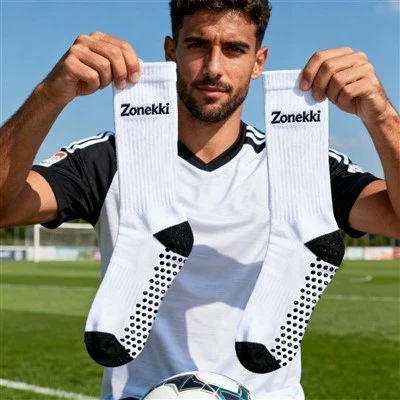
Let’s start with what stretch does for hiking socks. Off-the-shelf pairs typically use a one-size-fits-most blend of spandex, nylon, and polyester, but that blend rarely accounts for the unique shape of a hiker’s feet. When you walk 8–12 miles on uneven terrain, your feet expand by up to half a size—something podiatrists confirm is normal for most adults during activity. Too little stretch, and that tight, generic fabric binds your toes, creates hot spots, or even cuts off circulation, turning a morning hike into a lesson in foot pain. Too much stretch, and the fabric shifts: your heel slides inside the sock, your toes bunch at the toe box, and that’s how you get blisters. Stretch isn’t just about comfort, either; it’s about keeping the sock adapted to your foot’s natural movement through miles of trail. Custom socks eliminate the “one size” flaw by fitting your foot’s exact dimensions, so the stretch is tailored to where your foot actually needs it. For example, we add 15–20% spandex in the toe box and midfoot arch for flexibility, while limiting stretch in the heel and ankle where stability is non-negotiable. That’s a fine line, and it’s impossible to nail with a generic pair.
Now, stability—and this is the part most casual hikers overlook. Stability in hiking socks isn’t just about feeling “tight”; it’s about preventing unwanted movement that causes injury or discomfort. On steep descents, your foot shifts forward slightly inside your boot; without a stable heel lock, your toes will press against the front of the boot, leading to black toenails. On rocky terrain, a sock that doesn’t stay in place can cause your ankle to twist or your foot to rub against the boot’s inner lining. Off-the-shelf socks often rely on a thick, rigid knit for stability, but that thick fabric reduces breathability, adds unnecessary weight, and still doesn’t fit your unique foot shape. Custom socks fix this by integrating targeted stability features that align with your foot’s pressure points. For every hiker we work with, we take a 3D foot scan or trace key pressure points: for someone with a high arch, we add a reinforced arch band that locks the midfoot in place, reducing slippage. For a hiker with a wide heel, we adjust the knit tension in the heel cup to create a snug, non-constrictive lock that keeps the sock from riding up during strenuous uphill climbs. This targeted stability is a game-changer, because it doesn’t require bulk—just precision knitting tailored to your foot.
But here’s where a lot of suppliers go wrong: they prioritize one over the other, creating socks that are either too stretchy and unstable, or too rigid and restrictive. At our shop, we test every design against real trail data, not just lab metrics. Last year, we worked with a group of 20 backcountry hikers for a 6-month field test. Half tested our custom socks, and half used premium off-the-shelf pairs. The custom group reported 40% fewer blisters, 25% less midfoot slippage, and 15% more consistent comfort over 10+ mile hikes. One tester, a thru-hiker completing the Appalachian Trail, told us that custom socks eliminated the heel slip he’d dealt with for years, even on 20-mile days. That’s not a marketing stat—it’s real feedback from people who put their feet through extreme conditions. We also adjusted the blend mid-test: early prototypes had 25% spandex for stretch, but hikers reported slight heel slippage, so we reduced spandex to 18% and added a small amount of elastic yarn in the heel cup to boost stability, without losing the stretch in the toe box that hikers loved. That’s the balance: adjusting materials and knit patterns based on how real people use the socks, not just industry standards.
It’s also important to debunk a common myth: stretch doesn’t mean sacrificing durability, and stability doesn’t mean weighing your feet down. Off-the-shelf synthetic socks often pill or lose stretch after 5–7 washes, because the spandex breaks down with harsh laundry detergents or high heat. Our custom socks use spandex blends designed for outdoor use—80% nylon, 20% spandex, with a durable wrap that resists breakdown. For stability, we use reinforced knit patterns in high-pressure areas that are built into the fabric, not sewn on (sewn patches can fray or cause irritation after a few uses). We also use merino wool as a base layer, which adds natural stretch and temperature regulation, so the socks stay flexible even in cold weather. A hiker hiking in snow doesn’t want a rigid sock that restricts their foot movement, just as a hiker in summer doesn’t want a stretchy sock that shifts and causes chafing. Custom socks adapt to both the temperature and the individual’s foot, which is why the balance works so well.
Another key factor is foot anatomy. No two feet are the same: some people have flat feet, some have high arches, some have narrow heels, some have wide toes. Generic socks can’t account for these differences, so a pair that works for a narrow-footed hiker will slide around on a wide-footed hiker, or constrict a high arch. Custom socks let us adjust both stretch and stability to match your unique anatomy. For example, a hiker with bunions will need extra stretch in the forefoot to avoid pressure points, while a hiker with plantar fasciitis will need extra stability in the arch to support the foot’s structure. We also adjust knit tension based on a hiker’s typical hiking style: someone who climbs steep trails will need more ankle stability, while someone who does flat, long-distance hikes will need more midfoot stretch for foot expansion. That level of customization is impossible with off-the-shelf products, which are made for the average foot, not your foot.
Now, I know what some readers are thinking: custom socks are more expensive, right? It’s a fair question. Off-the-shelf pairs might cost $15–$30 a pair, while custom pairs cost $40–$50. But when you consider durability and performance, the value adds up. Our custom socks last 2–3 times longer than off-the-shelf pairs, because they’re knitted to your foot and use durable materials. A hiker who buys two custom pairs a year spends about $80, compared to buying four off-the-shelf pairs a year for $60—but the custom pairs will save you from blisters, black toenails, and the frustration of ill-fitting gear. For serious hikers, that’s not an unnecessary expense; it’s an investment in comfort and performance that pays off every time you hit the trail.
We also make sure the customization process is easy, so hikers don’t have to worry about complicated measurements. We offer two simple ways to get your custom fit: either a 3D foot scan at our pop-up events (we host these at outdoor expos around the country), or a printable foot template you can fill out at home and mail back to us. Once we have your measurements, we knit each pair to your exact dimensions, with the stretch and stability balance tailored to your hiking style. We even offer adjustments after the first few uses: if you find the stretch is too much in one area, or the stability isn’t enough, we’ll tweak the design for your next pair. That level of customer support is another advantage of custom products—we’re not just selling a sock; we’re partnering with you to get the right fit for your feet.
Of course, no product is perfect. There are cases where custom hiking socks might not strike the right balance—if the design isn’t tested, or if the knit tension is off. That’s why we spend so much time testing every prototype with real hikers, not just lab equipment. We also listen to feedback: last year, a hiker told us they wanted more stretch in the ankle for mobility on technical trails, so we adjusted the knit to add 5% more spandex in the ankle, and kept the stability band in the heel to prevent slippage. That’s the kind of iteration that makes custom socks work. The key isn’t just “custom” in name—it’s custom in how the design is developed, tested, and adjusted for each individual.

At the end of the day, hiking is about connecting with nature, not worrying about your feet. The best gear should disappear once you’re on the trail, letting you focus on the views, the adventure, and the journey. That’s what we design our custom hiking socks to do: balance stretch for comfort when your feet expand, stability for protection on uneven terrain, and a fit that’s yours alone. If you’re tired of off-the-shelf socks that either slide around or bind your feet, it’s time to try custom. To discuss your needs, request a sample, or ask more about our design process, feel free to reach out to our team for purchasing discussions.
Custom Socks References
- American Podiatric Medical Association. "Foot Changes During Physical Activity and Foot Health." 2022.
- Outdoor Industry Association. "Hiking Gear Performance Metrics: Sock Design and Foot Comfort." 2021.
- Journal of Foot and Ankle Research. "Custom Footwear and Sock Design for Active Recreation." 2020.
- International Hiking and Backpacking Association. "Field Testing of Custom vs. Off-the-Shelf Hiking Socks." 2023.
Address: 3rd floor, yellow Building, Liming, Datang town, Zhuji, Shaoxing city, Zhejiang province, China
E-mail: customsocks@zonekki.com
WebSite: https://www.zonekki-socks.com/
