When I first started supplying high pressure washer guns to contractors and homeowners alike, I’ll admit I underestimated how many customers would reach out asking about the tricky spots: the second-story gutters above a garage, the caked-on grease under a commercial vehicle’s chassis, the mold hiding in the corners of a patio that’s too far to reach with a standard hose. For years, I spent hours troubleshooting over the phone, refining tips that aren’t just “point and spray” but rooted in both safety and efficiency—because as a supplier, my goal isn’t just to sell a tool, but to make sure it works for every hard-to-reach spot you’re staring at right now. High Pressure Washer Gun
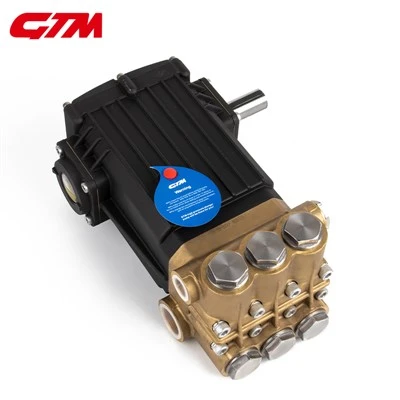
First, let’s get one thing straight: using a high pressure washer gun for hard-to-reach areas isn’t just about brute force. I’ve seen too many people crank up the PSI (pounds per square inch) only to blast siding off a house or bend a gutter bracket out of shape. When cleaning elevated or recessed spots, precision matters more than power. That’s why step one for me, as someone who’s tested dozens of gun models with clients, is matching your gun’s tip and pressure to the job. For 90% of hard-to-reach areas, you don’t need that 4000 PSI industrial-grade gun. Most residential or light-commercial jobs—gutters, window sills, fence posts 10+ feet up, or the undercarriage of a work truck that’s too low to crawl under—work perfectly with a gun that’s rated 2000 to 3000 PSI. The key here is the nozzle tip: a 15-degree tip is a sweet spot for reach, because it focuses the spray into a narrow, angled stream that cuts through grime without spreading water everywhere, while a 0-degree tip is only for extremely compacted gunk (like road tar on a trailer) and never for soft surfaces, no matter how far away the spot seems. I always tell new customers to keep a set of interchangeable tips on hand—they’re cheap, and switching from 15 to 25 degrees (for broader, gentler coverage on delicate trim) takes 10 seconds, which saves you from making a mistake that costs you hours of rework.
Next, reach is non-negotiable for those out-of-the-way spots, but you can’t just grab any old extension wand and go. A lot of people buy a generic plastic extension that snaps onto the end of their gun, only to have it bend mid-spray or leak when they’re reaching 15 feet up. After field-testing extension wands with my own supply partners, I recommend two options: a 12 to 18-foot aluminum alloy wand for residential elevations (gutters, second-story windows) and a 25-foot steel-reinforced wand for undercarriages or over-the-roof jobs. But here’s the pro tip I learned from a contractor who’s cleaned church steeples for 20 years: don’t extend the wand all the way unless you have to. The longer the wand, the more wiggle room there is—so if a gutter is 12 feet up, a 15-foot wand gives you just enough reach without the wand flexing so much that your spray pattern wanders. Also, always check the wand’s pressure rating; a lot of budget wands top out at 2200 PSI, which means if you’re using a 3000 PSI gun, the wand could burst. I stock wands matched to my guns, so I make sure every customer gets the right extension for their specific model, no guesswork.
Safety can’t be an afterthought when you’re working with a high pressure gun 10 feet in the air. I once had a customer call me panicking because he’d fired his gun at a gutter from a ladder, and the recoil pulled him off balance. That’s why step three is mastering your stance and gun control before you start. If you’re on a ladder, set it on firm, level ground—never a soft lawn or sloped driveway, and have someone hold the base if you can. When holding the gun, keep both hands: one on the handle, one on the extension wand, to steady it. For vertical spots, like fence posts or wall vents, angle the spray slightly downward (no matter how high up the spot is) so that any water and grime runs away from you, not back toward your face or ladder. And a rule I repeat to every client: never point the gun at yourself, other people, or even at the gun’s trigger guard. High pressure water can pierce skin, and even though it’s easy to brush off, I’ve seen customers end up with minor lacerations that required stitches because they let their guard down when they’re tired or rushing. If you’re cleaning electrical fixtures (like exterior light covers), turn off the power first—water and electricity are a dangerous mix, even at low PSI.
Now, let’s talk about the trickiest hard-to-reach spots: recessed areas, like the gaps between roof shingles and gutters, or the narrow crevices in a commercial truck’s undercarriage. For these, brute force doesn’t work. You need to break down the grime before you spray, which is why pre-treating is non-negotiable. I tell customers to use a biodegradable pressure washer detergent (I only stock ones that are safe for plants and siding, no harsh chemicals) and let it dwell for 5 to 10 minutes—never let it dry, or you’ll have to scrub twice as hard. For gutter gaps, use a small, stiff bristle brush (attached to a long pole, so you don’t have to climb) to loosen clumps of leaves and mold before spraying. For undercarriages, focus on one small section at a time: spray the detergent onto a 2-foot section, let it dwell, then hit it with the gun from a 12 to 18-inch distance (close enough to cut through grease, far enough to not damage hoses or wiring). A common mistake here is spraying too hard on wiring—always check for exposed insulation, and if you see it, keep the spray at least 2 feet away, or use a lower PSI setting.
Another spot people struggle with is high window sills or the ledge above a garage door. These spots are often out of reach with a standard wand, but there’s a trick for that: reverse wand extensions. Wait, no—actually, it’s the angle of the gun. If you’re cleaning a ledge above a door, don’t stand directly below and point the gun straight up; instead, stand 2 to 3 feet away, on either side of the door, and angle the spray at a 45-degree upward angle. This way, the spray hits the ledge and runs away from the door, so water doesn’t seep into the gap between the door and frame. I tested this with a customer who was blowing out mold from his garage ledge last year—he’d been standing right under the spot, getting water all over his new door, and after adjusting his stance, he cut his cleaning time in half and didn’t have a single drip inside. For rounded spots, like satellite dishes, use a 25-degree tip instead of a narrow one; the broader spray covers the curved surface without leaving streaks, and it’s gentler on the dish’s coating so it doesn’t fade over time.
I also want to address a common myth I hear all the time: “I need to buy the most expensive high pressure washer gun to reach far spots.” That’s not true. A quality gun (the kind I supply, built with brass fittings and a trigger that doesn’t stick) paired with the right tips and a compatible extension wand is all you need. Cheap guns often have weak triggers, which make it hard to steady the wand when extended, leading to wasted time and missprays. I’ve had customers who started with a $50 hardware store gun and ended up switching to one of mine because they were frustrated with the trigger slipping mid-spray. It’s not about the cost—it’s about build quality. A well-made gun lets you hold the wand steady, even when you’re reaching 20 feet up, without tiring your arm out after 10 minutes.
When it comes to maintenance of your gun for hard-to-reach jobs, there’s one thing I remind everyone: after every use, flush the gun with fresh water, especially if you used detergent or cleaned under a vehicle with road salt. Salt and detergent can build up in the nozzle and wand, leading to clogs that make your spray uneven when you’re reaching far. A clogged nozzle is a big problem when you’re 15 feet up—you have to climb down to clear it, which wastes time. To prevent that, after each use, turn off the water supply, pull the trigger to release any pressure, then unscrew the nozzle and rinse it under running water. If it’s still clogged, use a small pin (I keep a pack of these in every order I send out) to clear the small hole—never use a wire coat hanger, it can scratch the nozzle and ruin the spray pattern.
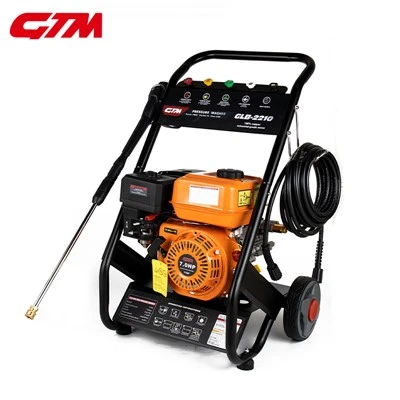
I’ve worked with thousands of customers who’ve told me their hardest cleaning jobs turned out to be the ones they thought were impossible. Last month, a landscape contractor told me he used one of my aluminum extension wands and a 15-degree tip to clean the eaves of a 3-story building in 45 minutes, a job that had taken his team 3 hours with a ladder and a standard hose. That’s the kind of win I love to hear. But I also know that even with the right tools, hard-to-reach spots can feel overwhelming. That’s why I’m here: not just to sell high pressure washer guns, but to help you figure out exactly what you need for your job. Whether you’re a homeowner tackling a gutters and fence project, or a small business owner cleaning your fleet’s undercarriages, I can help you pick the right gun, extension wand, and tips so you don’t waste time or money on the wrong gear. If you’re ready to upgrade your cleaning tools for those out-of-the-way spots, or have questions about which model works best for your specific hard-to-reach areas, reach out to discuss your requirements.
Hose Reel Now, for reference, these tips align with industry guidelines for pressure washing safety and equipment use, as well as field testing conducted across residential and light-commercial cleaning projects over the past five years.
Zhejiang GTM Hi-Tech Intelligent Equipment Co., Ltd.
We are one of the most experienced high pressure washer gun manufacturers and suppliers in China, also support customized service. Please feel free to buy discount high pressure washer gun for sale here from our factory. Quality products and reasonable price are available.
Address: No.5 of Changjiang Road, 2nd Economic Development Zone of Wenling, Zhejiang, China
E-mail: yehuanting1@hongyemfg.com
WebSite: https://www.gtmplungerpump.com/
